
Quick answer: The CDC says breast milk should be used within 2 hours after it has been brought to room temperature or warmed. If your baby does not finish a bottle, the leftover milk should also be used within 2 hours after the baby is finished feeding, then discarded.
Those rules apply to healthy babies in normal home settings. If your baby was born prematurely, is medically fragile, or has a condition that affects immune function, follow the handling instructions from your baby’s healthcare team.
The CDC’s warmed-milk rule
Current CDC guidance separates freshly expressed milk, refrigerated milk, thawed milk, warmed milk, and bottle leftovers because they have different storage windows.
- Freshly expressed breast milk: CDC guidance allows up to 4 hours at room temperature under recommended conditions.
- Refrigerated or thawed milk after warming or reaching room temperature: use within 2 hours.
- A bottle the baby has already fed from: use leftover milk within 2 hours after feeding is finished.
- Previously frozen milk: do not refreeze it after it has completely thawed.
See the CDC’s breastfeeding resources and its current storage/preparation materials for the latest guidance.
What counts as warmed breast milk?
The 2-hour window matters when refrigerated or thawed milk has been warmed for a feeding or brought to room temperature. It does not have to be hot. Breast milk can also be served cold if your baby accepts it.
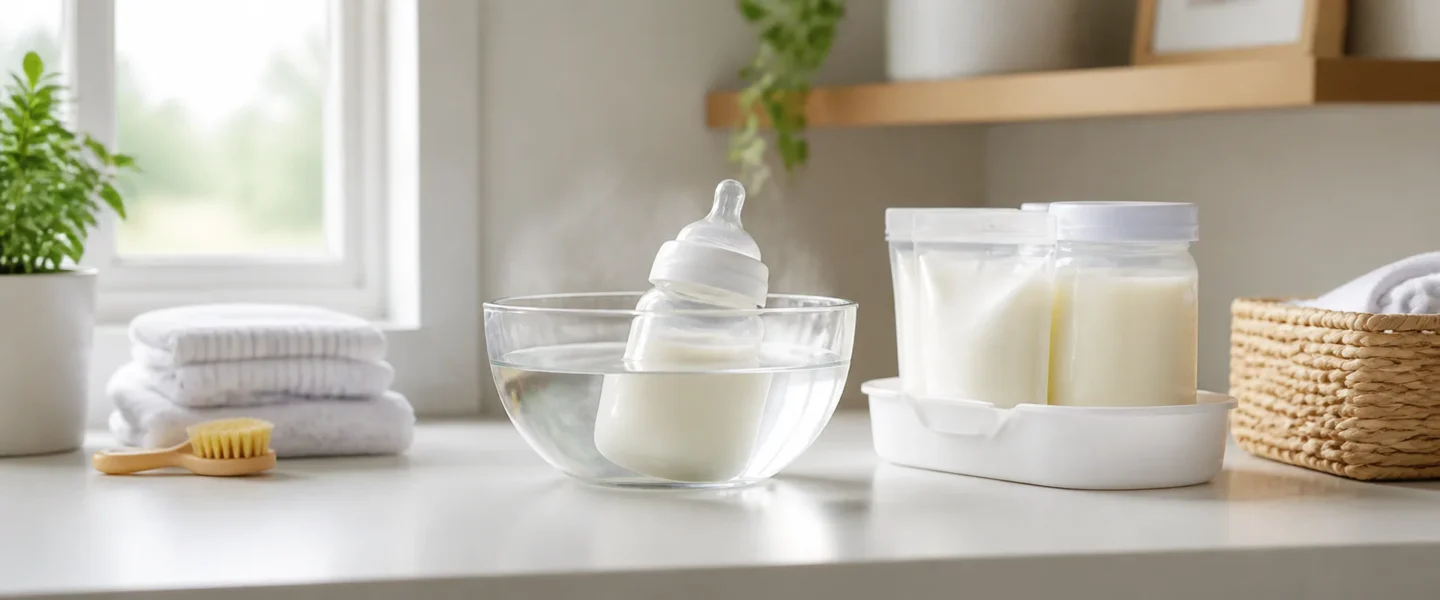
Common warming methods include holding the sealed container under warm running water or placing it in a bowl of warm water. The CDC advises against microwaving breast milk because heating can be uneven and create hot spots that may burn a baby’s mouth.
What if the baby starts drinking and does not finish?
Once a baby has fed from the bottle, follow the CDC leftover rule: use the remaining breast milk within 2 hours after the feeding is finished, then discard it.
To reduce waste, warm smaller portions first. You can offer more milk if your baby is still hungry instead of warming the entire stored amount at once.
Can warmed breast milk go back in the refrigerator?
The CDC’s simple rule is to use milk within 2 hours after it has been warmed or brought to room temperature. Rather than repeatedly warming and cooling the same milk, the safest easy-to-follow routine is to warm only what you expect to use within that window.
If you are unsure how long a bottle has been warm or at room temperature, discard it rather than guessing.
How to warm breast milk safely
- Keep the milk in a sealed container while warming.
- Place the container in a bowl of warm water or hold it under warm running water.
- Swirl gently to mix fat that may have separated.
- Check that the milk is not too hot before feeding.
- Do not microwave breast milk or heat it directly on the stove.
Travel and overnight feeds
Keep milk cold until you are ready to feed. CDC materials allow breast milk to be transported in an insulated cooler with frozen ice packs for a limited period; follow the current storage guidance for the exact situation and transfer milk back to a refrigerator or freezer when appropriate.
At night, avoid warming a bottle hours before you expect your baby to wake. Keep the milk safely chilled and warm it when the feeding is actually about to happen.
Formula follows different rules
Prepared infant formula has separate timing rules. Do not apply breast-milk storage guidance to formula. If your baby receives both, use the CDC’s current formula-preparation guidance for formula bottles.
Cleaning matters too
Clean bottles and feeding parts after use and let them air dry completely. Our bottle cleaning and sanitizing guide follows current CDC infant-feeding-item guidance.
Bottom line
For warmed breast milk, remember the number 2: use it within 2 hours after warming or bringing it to room temperature, and use bottle leftovers within 2 hours after the baby finishes feeding. Keep milk cold until you need it, warm only the amount you expect to use, and follow your child’s healthcare team if your baby needs stricter handling precautions.