Pumping at work can feel awkward at first, but it becomes much easier when you treat it like a simple daily system. The goal is not to create a perfect routine. The goal is to protect your milk supply, keep breast milk safely stored, and make each workday feel more predictable for you and your baby.
This pumping at work checklist is written for United States parents who are returning to an office, school, hospital, store, shift job, remote-hybrid role, or any workplace where pumping needs to fit around real life. Use it to plan your space, breaks, storage, pump parts, child care bottles, and backup options before the first day gets busy.
Pumping at Work Quick Answer
Before returning to work, confirm where you can pump, where you can store milk, how often you will need breaks, and how you will clean or rotate pump parts. Pack a pump bag with clean parts, bottles or milk bags, labels, a marker, a cooler if needed, extra power options, and a simple cleanup kit. Store freshly expressed milk in a refrigerator when available, or in an insulated cooler with frozen ice packs when a refrigerator is not available.
1. Know Your Pumping Rights Before Returning
In the United States, many nursing employees have federal protections for pumping at work. The U.S. Department of Labor explains that the Fair Labor Standards Act generally requires reasonable break time and a private place, other than a bathroom, for covered employees to express breast milk for one year after a child’s birth.
Before your return date, ask your employer three practical questions: where you can pump privately, where milk can be stored, and how pumping breaks should be handled on your schedule. This is especially important if your workplace has shared spaces, rotating shifts, travel days, or no easy refrigerator access.
2. Build a Realistic Pumping Schedule
A pumping schedule should match your baby’s feeding rhythm as closely as your workday allows. The CDC notes that pumping or expressing milk regularly while away from your baby helps maintain supply because milk production responds to removal. Many parents start by planning sessions around the times their baby usually drinks milk, then adjust based on output, comfort, and work demands.
Keep the first version simple. Write down your planned pumping times, how long each session usually takes, and the extra minutes you need for setup, labeling, storage, and cleanup. If your job involves meetings or customer coverage, block your calendar early and have one backup window for days that run late.
3. Pack a Work Pump Bag That Removes Decisions
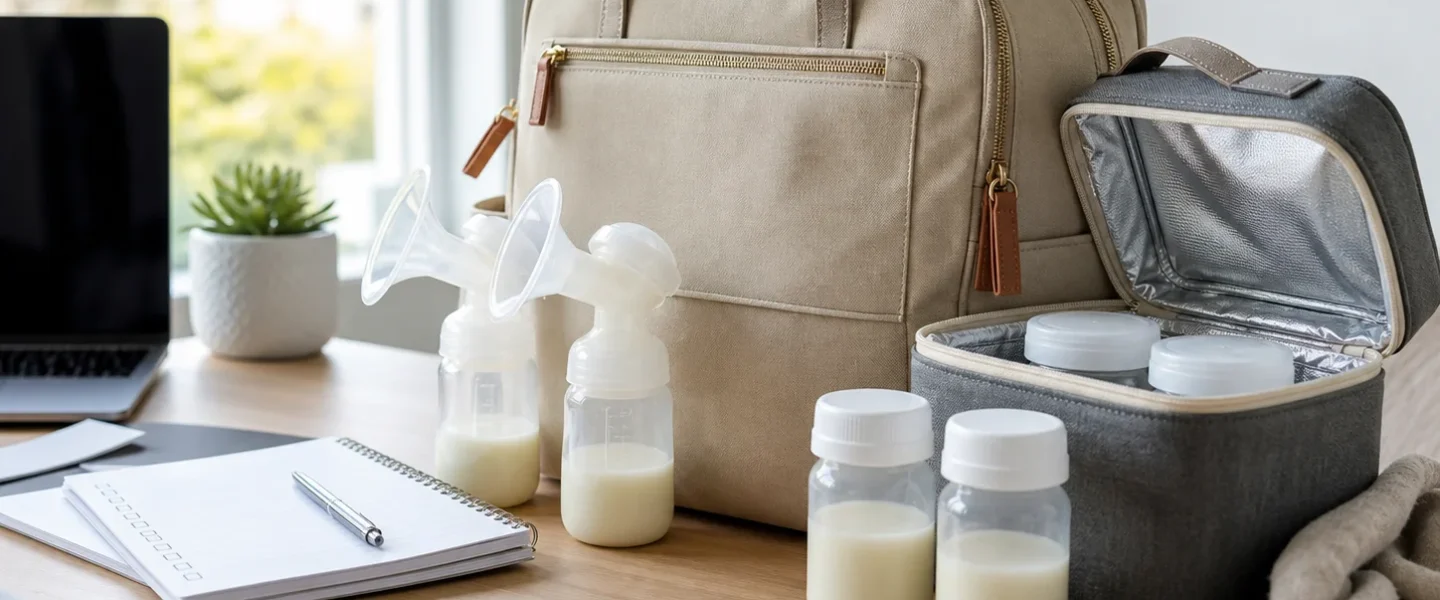
Your work pump bag should answer the question, what would I be frustrated to forget? A basic kit may include the pump, clean flanges or wearable pump parts, bottles or breast milk storage bags, caps, labels, a marker, a charger or batteries, a clean towel, nipple cream if you use it, hand sanitizer, and a wet-dry bag for used parts.
If you pump more than once at work and washing parts is hard, consider bringing multiple clean pump kits. CDC guidance says pump parts should be cleaned after every use to help protect babies from germs. Extra parts can make that easier when you do not have reliable sink access during the day.
4. Keep Breast Milk Storage Simple and Safe
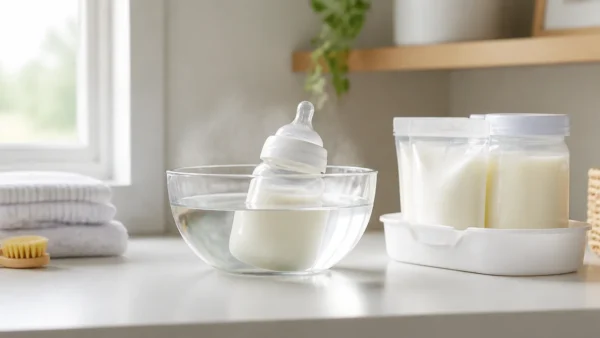
Breast milk storage at work is usually easier when you decide your path before the first workday. If a refrigerator is available, CDC guidance says expressed breast milk can be stored in an employee refrigerator with other food, ideally toward the back where the temperature is more consistent. Label each container with your name and the date you expressed the milk.
If a refrigerator is not available, the CDC says freshly expressed milk can be stored in an insulated cooler bag with frozen ice packs for up to 24 hours. Bring the milk home each day, then use it, refrigerate it, or freeze it based on your feeding plan.
If you need a dedicated workday cooler, choose one that fits your bottles, closes fully, and can hold an ice pack through your commute. Do not rely on price, ratings, or stock claims alone. Compare the size and cleaning details against your actual workday.
5. Plan How You Will Clean Pump Parts
Cleaning pump parts at work is often the piece parents underestimate. If your workplace has a clean sink, pack a small brush, dish soap if allowed, and a clean area for parts to dry. If the sink situation is not practical, bring enough clean parts for each session and wash everything thoroughly when you get home.
Steam bags can help in some workplaces, but only use them if you have safe microwave access and your pump manufacturer says your parts can be cleaned that way. Pump wipes may be convenient for surfaces, but they should not replace the cleaning method recommended for parts that contact milk unless your pump guidance supports that use.
6. Use a Child Care Bottle Plan
Work pumping is easier when child care bottles are predictable. Ask your child care provider how they want breast milk labeled, how much they prefer in each bottle, whether they can store frozen milk, and what happens if your baby needs more than expected. Smaller bottles can reduce waste if your baby often leaves milk unfinished.
Try a few practice bottles before your first workday if your baby is mostly breastfed. Some babies accept bottles more easily from another caregiver. If your baby resists, ask your pediatrician or a lactation professional for guidance before changing nipple flow, bottle style, or feeding schedule.
7. Make Commuting and Travel Less Messy
Your commute affects your pumping setup. If you walk, use public transportation, drive between job sites, or work long shifts, you may need a cooler that keeps milk upright and separates bottles from pump parts. A bottle cooler can also help if you need to move milk from work to child care or from work to home without using a shared refrigerator.
For parents who already use a compatible bottle system, a small cooler set can be easier than a large pump bag. Check bottle fit, ice pack space, and whether the set matches the containers you actually use.
8. Avoid These Common Pumping at Work Mistakes
- Waiting until the first day to ask about space. Confirm the private pumping area before you return.
- Forgetting cleanup time. Pumping is not only the minutes the pump is running.
- Overfilling bottles. Smaller portions can help reduce wasted milk at child care.
- Mixing warm fresh milk into cold milk too quickly. CDC storage guidance advises cooling freshly expressed milk before combining it with already cooled or frozen milk.
- Relying on one perfect routine. Build a backup plan for meetings, traffic, sick days, and power issues.
9. Make a One-Page Pumping at Work Checklist
Write one checklist and keep it in your pump bag or phone. Include pump parts, bottles or bags, labels, cooler, ice pack, charger, cleaning items, spare shirt or nursing pads if helpful, child care bottle notes, and your pumping times. Add your lactation consultant, pediatrician, or support number if you are working through supply, latch, pain, or bottle refusal.
A short checklist also helps partners, grandparents, or caregivers understand what needs to be washed, packed, frozen, or sent to child care the next day.
FAQs About Pumping at Work
How often should I pump at work?
Many parents start by pumping about as often as their baby usually drinks breast milk while they are apart. Your exact schedule depends on your baby’s age, feeding pattern, supply, comfort, and workday. A lactation professional can help if output drops or pumping becomes painful.
Can I store breast milk in a work refrigerator?
Yes, CDC guidance says expressed breast milk may be stored in an employee refrigerator with other food. Label containers clearly and place milk toward the back of the refrigerator when possible.
What if my workplace does not have a refrigerator?
Use an insulated cooler bag with frozen ice packs. CDC guidance says freshly expressed milk can be stored this way for up to 24 hours, then brought home and used, refrigerated, or frozen.
Do I have to wash pump parts after every session?
CDC and most pump manufacturers recommend cleaning pump parts after every use. If washing at work is hard, bring multiple clean pump kits so each session starts with clean parts.
Should I buy a wearable pump for work?
A wearable pump can be useful for some jobs, but it is not required for every parent. Check suction needs, cleaning steps, noise, battery life, flange fit, and whether your workplace still provides enough privacy and break time.
Sources Parents Can Trust
- CDC guidance on breastfeeding and returning to work
- CDC tips for returning to work and breastfeeding
- U.S. Department of Labor PUMP at Work guidance
- CDC breast milk storage questions and answers
Bottom Line
Pumping at work gets easier when the routine is built before you need it. Confirm your pumping space, protect realistic break times, pack the same essentials each day, store breast milk safely, and keep a backup plan for the messy parts of real life. A calm system matters more than a perfect one.