
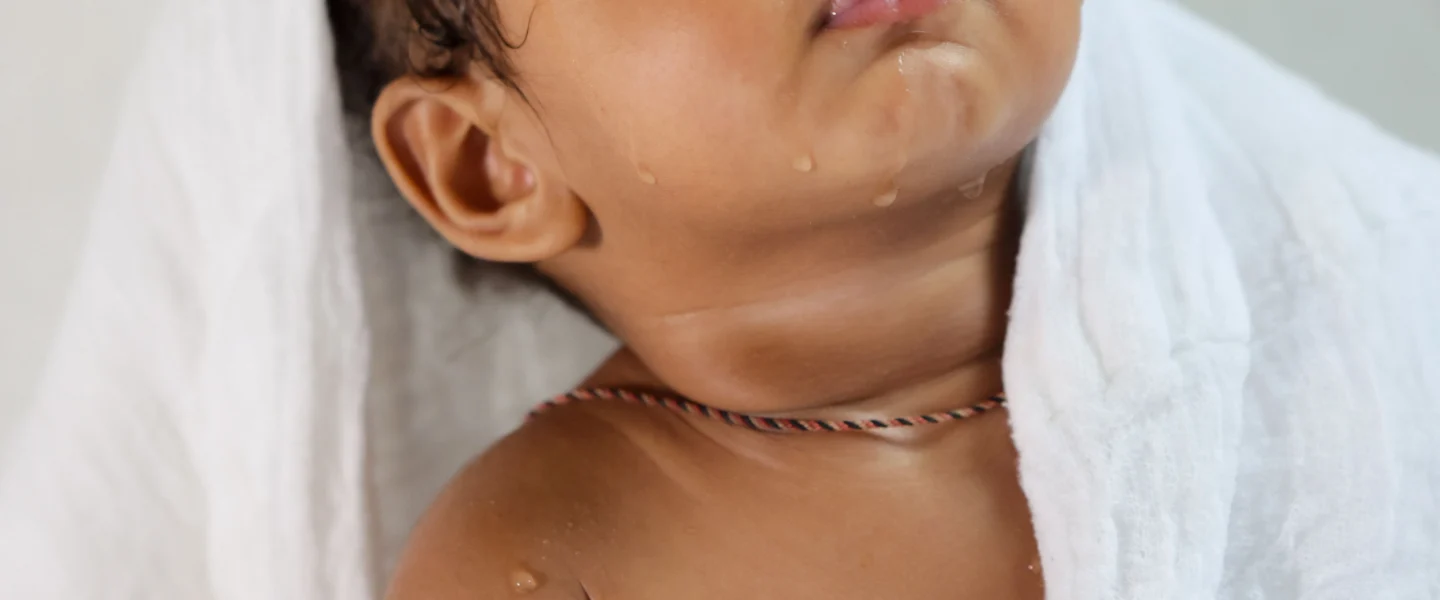
Quick answer: Most newborns do not need a bath every day. The American Academy of Pediatrics (AAP) says about three baths per week may be enough during the first year, while the NHS says two or three baths a week are generally fine for a newborn. Between baths, you can clean the face, neck, hands, diaper area, and skin folds as needed.
Bath time can be calming, but with a newborn the priorities are simpler: keep your baby warm, protect delicate skin, and never let go or step away while your baby is in or near water. Here is a practical, evidence-based routine for the first weeks at home.
How often should you bathe a newborn?
For most healthy newborns, two to three baths per week is enough. Newborns rarely get dirty enough to need a full daily bath, and frequent bathing can dry their skin. The AAP notes that three baths per week during the first year may be sufficient, and the NHS similarly says newborns generally do not need a daily bath.
You can still clean areas that need attention every day. Wipe the face, neck creases, hands, and diaper area, and gently dry skin folds afterward. If your baby spits up or has milk collecting in neck folds, clean that area when needed rather than waiting for the next full bath.
When can you give a newborn their first bath?
If you are already home with your newborn, follow the discharge advice from your maternity or pediatric team, especially if your baby was premature or has medical needs. For routine home care, the important distinction is whether the umbilical cord stump is still attached.
The AAP recommends sponge baths until the umbilical cord stump falls off, which commonly happens within the first couple of weeks. This keeps the stump from being routinely submerged while it dries and separates.
How do you give a newborn a sponge bath?
A sponge bath means cleaning your baby without placing them in a tub of water. Prepare everything before you begin so you never need to leave your baby unattended.
- Warm the room. Newborns can cool down quickly, so avoid drafts.
- Gather supplies first. Have warm water, washcloths or cotton pads, a towel, clean diaper, and clothes within reach.
- Keep most of your baby covered. Uncover one area at a time and gently wipe it.
- Start with the face. Plain water is usually enough. Clean around the eyes gently and use a fresh part of the cloth or cotton for each eye.
- Clean the neck and skin folds. Milk and moisture can collect in creases.
- Wash the body and diaper area. Leave the dirtiest areas until last.
- Pat dry. Pay particular attention to folds rather than rubbing delicate skin.
If the umbilical stump gets dirty with urine or stool, follow your baby’s clinician’s instructions for cord care. Seek medical advice if the area develops spreading redness, pus, a bad smell, persistent bleeding, or if your baby seems unwell.
How do you safely give a newborn a tub bath?
Once your baby is ready for a tub bath, the safest routine begins before your baby touches the water. Put the towel, diaper, clothes, and anything else you need within arm’s reach. The NHS emphasizes that a baby should never be left alone in the bath, even for a second.
Use a clean baby bath or another suitable stable bathing container. Fill it with a shallow amount of comfortably warm water and mix the water well so there are no hot spots. The NHS advises checking the water with your elbow and describes it as feeling around body temperature rather than hot.
Support your baby’s head and shoulders as you lower them gently into the water. Keep the head clear of the water and maintain hands-on supervision throughout the bath. Babies become very slippery when wet, so keep a secure hold while washing and lifting them out.
A bath seat, support, or molded baby tub does not replace adult supervision. If the phone rings, the doorbell goes, or you realize you forgot a towel, take your baby with you rather than leaving them in the water.
What temperature should a newborn bath be?
The water should feel comfortably warm, not hot. NHS guidance recommends testing the water before putting your baby in and mixing it thoroughly to eliminate hot patches. Some neonatal clinical guidance uses about 37°C (98.6°F) as an upper bath-water target, but a thermometer is not a substitute for checking the water and supervising your baby.
Also keep the room comfortably warm. Have a towel ready so you can wrap and dry your baby immediately after the bath.
Does a newborn need soap or shampoo?
Usually, very little product is needed. The NHS says plain water is best for a baby’s skin during the first month. If you later introduce a cleanser, choose a mild product intended for babies and use a small amount. More bubbles and fragrance do not make a baby cleaner.
If your baby has eczema, very dry skin, broken skin, or a diagnosed skin condition, ask your pediatrician or other qualified clinician about bathing frequency and products rather than experimenting with fragranced soaps, essential oils, or home remedies.
Is it bad to bathe a newborn every day?
A daily bath is not necessary for hygiene, and frequent bathing can contribute to dry skin. The AAP specifically notes that bathing more often can dry a baby’s skin. If your baby enjoys bath time and you choose to bathe more frequently, keep baths gentle, avoid unnecessarily harsh cleansers, and watch for dryness or irritation.
The better question is not “How can I make bath time daily?” but “Does my baby actually need a full bath today?” Often, cleaning the face, neck, hands, and diaper area is enough.
Can you bathe a newborn after feeding?
It is usually more comfortable not to bathe a baby immediately after a feed. The NHS recommends avoiding bath time when your baby has just fed, is hungry, or is tired. Choose a time when your baby is awake and settled. That makes the routine easier for both of you and reduces the chance that bath time becomes a struggle.
What if your newborn cries during baths?
Crying does not automatically mean you are doing something wrong. A newborn may dislike being undressed, feel cold, be hungry, or simply find the sensation unfamiliar. Try a warmer room, prepare everything in advance, keep the bath short, speak calmly, and wrap your baby promptly afterward.
If your baby consistently seems distressed, there is no need to force frequent tub baths. Sponge bathing and targeted cleaning are reasonable while your baby adjusts.
Newborn bath safety checklist
- Prepare the towel, diaper, clothes, and washing supplies before starting.
- Keep the room warm and free from drafts.
- Use warm—not hot—water and check it before your baby goes in.
- Keep one hand supporting or securely holding your newborn.
- Never leave your baby alone in or near bath water, even briefly.
- Do not rely on a bath seat or support as a safety device.
- Pat skin folds dry after bathing.
- Use sponge baths while the umbilical stump is still attached unless your baby’s healthcare team has advised differently.
Bath safety is part of the larger picture of preparing a safer home. Our nursery babyproofing checklist covers the hazards that become important as your baby starts reaching, rolling, crawling, and pulling up. For sleep-space decisions, see our guide to choosing a bedside bassinet for a newborn.
When should you ask a pediatrician about your baby’s skin or cord?
Normal newborn skin can peel and look dry in the early weeks, but get medical advice if the skin is increasingly red, swollen, painful, oozing, blistered, or looks infected. For the umbilical area, contact your baby’s healthcare professional if you notice spreading redness, pus, a foul odor, persistent bleeding, fever, or if your baby seems unwell.
For premature babies, babies with medical conditions, or babies recently discharged from neonatal care, use the bathing instructions from your own clinical team because temperature control, skin care, and timing may differ from routine advice for a healthy full-term newborn.
Bottom line
Most newborns need only two or three baths a week. Use sponge baths while the umbilical cord stump is attached, keep the room and water comfortably warm, use minimal skin products, and keep your baby within hands-on reach for the entire bath. Daily cleaning can focus on the areas that actually get messy rather than automatically giving a full bath every day.
Sources: American Academy of Pediatrics / HealthyChildren — Bathing Your Baby; NHS — Bathing Your Baby; NHS — Washing and Bathing Your Baby.
Featured image: RDNE Stock project / Pexels.