Baby hiccups are common, especially in newborns, and most episodes are harmless. They happen when the diaphragm—the muscle involved in breathing—contracts involuntarily and the vocal cords close quickly, creating the familiar “hic” sound. In most healthy babies, hiccups stop on their own and do not need treatment.
They can show up before, during, or after a feed. Feeding quickly, swallowing air, or having a full stomach may make hiccups more likely in some babies. The useful goal is not to eliminate every hiccup, but to keep feeding comfortable and notice when hiccups occur alongside symptoms that deserve medical advice.
Why do babies get hiccups so often?
Hiccups are a reflex involving the diaphragm. Babies can hiccup frequently, including before birth, and a brief episode by itself usually does not mean anything is wrong. Cleveland Clinic notes that newborn hiccups are common and normal, and that gas or stomach expansion after feeding may irritate the diaphragm in some babies.
Because hiccups often cluster around feeds, parents may assume they always mean trapped wind or reflux. That is not necessarily true. A baby can hiccup and remain completely content.
Are baby hiccups normal?
Yes. Short hiccup episodes in an otherwise comfortable, normally feeding baby are usually normal. If your baby is relaxed, breathing normally, feeding well, and gaining weight as expected, there is generally no need to stop an ordinary hiccup episode.
What matters more is the whole picture. Hiccups accompanied by repeated coughing, significant spit-up, feeding difficulty, poor weight gain, breathing changes, or unusual distress deserve a conversation with your baby’s healthcare professional.
How to help baby hiccups during feeding
If hiccups begin during a feed and your baby seems bothered, pause rather than pushing through the bottle or breast. Hold your baby comfortably upright for a short break and let them settle. If they are still showing hunger cues once calm, resume the feed.
A gentle burp may help when swallowed air is contributing. Our guide on how to burp a baby explains safe positions and why you do not need to force a burp after every feed.
Slow down when your baby needs a pause
Watch the baby rather than the clock. Slowing sucking, turning away, fussing, spilling milk, or repeatedly unlatching can be signs that a pause is useful. Responsive feeding also helps avoid pressuring a baby to finish a set amount when they are signaling that they need a break.
Keep bottle feeding paced and comfortable
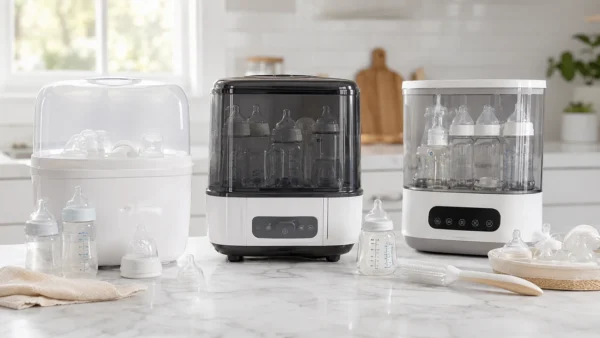
During bottle feeds, avoid making milk flow faster than your baby can comfortably manage. A calm, supported feeding position and natural pauses can reduce gulping. Feeding equipment should also be kept clean; see our CDC-based bottle cleaning and sanitizing guide for the hygiene side of the routine.
Should you burp a baby with hiccups?
You can try a gentle burp if hiccups begin around a feed, especially if your baby also seems gassy or uncomfortable. But a burp is not required to “cure” hiccups. If your baby is content, there is no reason to repeatedly pat their back in search of a result.
Support the head and neck, use gentle rubbing or patting, and stop if your baby is settled. NHS guidance on burping emphasizes comfortable supported positions and notes that babies differ in how much help they need with swallowed air.
Can a pacifier stop baby hiccups?
Sucking on a pacifier may help some babies settle, and Cleveland Clinic notes that the sucking motion may relax the diaphragm. It is not a guaranteed hiccup treatment, however. If your baby already uses a pacifier comfortably, it is reasonable to offer it; there is no need to introduce one solely because of occasional hiccups.
What should you avoid doing for baby hiccups?
Adult hiccup tricks are not appropriate for babies. Do not try to frighten or startle a baby, make them hold their breath, give water to a young infant just to stop hiccups, or use other home remedies designed for adults.
Be especially cautious with products marketed as quick fixes. Hiccups usually resolve without treatment, so an unproven remedy adds complexity without necessarily adding benefit. If you are considering a supplement, herbal preparation, or gripe-water product for an infant, discuss it with your pediatrician first.
Do hiccups mean a baby has reflux?
Hiccups alone do not diagnose reflux. Reflux is common in babies, and some babies with reflux may also hiccup, cough, or spit up. The important distinction is whether there are other symptoms.
Talk with your pediatrician if hiccups repeatedly occur with troublesome coughing, frequent or forceful vomiting, feeding refusal, obvious pain, or poor weight gain. Do not change formula, thicken feeds, or start medication based only on hiccups without professional guidance.
What if baby hiccups happen after every feed?
Frequent hiccups can still be normal if your baby is otherwise comfortable and thriving. If they consistently happen after feeds, look at the feeding routine rather than trying increasingly aggressive hiccup remedies. Notice whether your baby gulps, becomes overwhelmed by bottle flow, needs natural pauses, or seems uncomfortable from swallowed air.
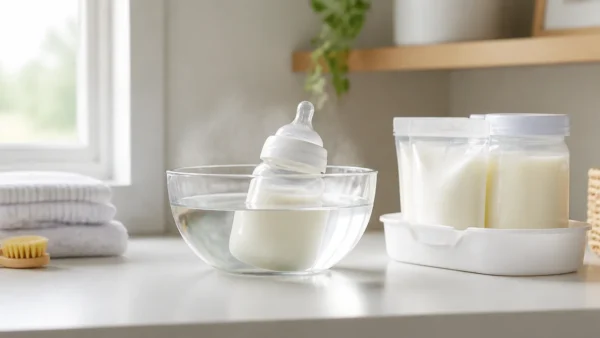
If you use expressed milk, our guide on how long warmed breast milk can sit out covers safe timing after warming. The hiccups themselves do not change normal milk-storage safety rules.
Can a baby sleep with hiccups?
If your baby is otherwise well, ordinary hiccups do not change safe-sleep rules. Put your baby down on their back on a firm, flat sleep surface without pillows, positioners, loose blankets, or other soft objects. Do not prop up the sleep surface to try to prevent hiccups or spit-up.
For the broader sleep setup, see our baby sleep guide. Safe sleep practices should stay consistent even when a baby has hiccups or spits up occasionally.
When should you call the pediatrician?
Hiccups themselves rarely need medical attention, but contact your baby’s healthcare professional when they are part of a larger feeding or health problem. Ask for advice if hiccups are unusually persistent and repeatedly interfere with feeding or sleep, or if your baby has frequent coughing, troublesome vomiting, feeding refusal, poor weight gain, or seems consistently distressed.
Seek urgent medical care for concerning breathing changes, blue or gray coloring, unusual difficulty waking, or other signs that your baby is seriously unwell. Those symptoms should not be attributed to ordinary hiccups.
Baby hiccups: quick answers
Do baby hiccups hurt?
Most babies do not appear bothered by ordinary hiccups. If your baby is clearly distressed, look for other causes of discomfort rather than assuming the hiccup reflex itself is painful.
Should I stop feeding when hiccups start?
If your baby is comfortable, you may not need to. If they become fussy or struggle to feed, pause, hold them comfortably upright, and resume when settled and still hungry.
Can I give water for hiccups?
Do not give water to a young infant solely as a hiccup remedy. Infant feeding should follow age-appropriate guidance from your pediatrician.
How long do baby hiccups last?
Many episodes are brief and end without intervention. Rather than timing every episode, pay attention to whether hiccups are persistently disrupting feeding, sleep, or comfort.
Bottom line
Most baby hiccups are normal and need patience more than treatment. If hiccups happen around feeds, a calm pause, comfortable positioning, and a gentle burp may help. Avoid adult hiccup tricks and unproven remedies. When hiccups come with feeding problems, repeated vomiting, poor growth, breathing changes, or significant distress, contact your baby’s healthcare professional.
Sources: Cleveland Clinic guidance on baby hiccups and hiccups; NHS Best Start in Life guidance on burping babies.
This article provides general educational information and is not a substitute for medical advice from your child’s healthcare professional.