Quick answer: To clean baby toys safely, start with the toy’s care label, remove visible dirt with soap and water, rinse where appropriate, and let the toy dry completely before it goes back into your baby’s hands. Wash toys that have been mouthed, dropped somewhere dirty, or shared with a sick child more promptly. Sanitizing is a separate step for items that go into a baby’s mouth or when extra germ control is needed; it is not a reason to soak every toy in strong chemicals.
A useful toy-cleaning routine is less about buying special sprays and more about matching the method to the material. Plastic blocks, silicone teethers, plush animals, wooden puzzles and electronic toys do not all tolerate the same treatment. This guide explains what to clean, how often to do it, what to avoid and when a toy should be replaced rather than washed again.
Cleaning, sanitizing and disinfecting are different jobs
The US Centers for Disease Control and Prevention (CDC) separates three actions. Cleaning uses soap, water and scrubbing to remove dirt and many germs. Sanitizing reduces remaining germs to safer levels on objects such as mouthed toys. Disinfecting uses a product intended to kill germs and is particularly relevant when illness or bodily fluids create higher risk.
The order matters: remove dirt first, then sanitize or disinfect if the situation calls for it and the toy’s manufacturer allows it. Applying a chemical product to a visibly sticky or dirty toy is not a substitute for washing. In most ordinary home situations, careful cleaning is the main task. The CDC also cautions that disinfectants are not automatically necessary throughout a healthy household.
A simple six-step routine for washable hard toys
- Check the label. Look for instructions about dishwashers, boiling, heat, batteries and painted surfaces. Do not assume that a toy marked washable is dishwasher-safe.
- Inspect for damage. Check seams, cracks, peeling paint, loose screws and detachable pieces before washing. Put damaged toys aside.
- Wash hands. Use clean hands and a clean basin or work surface, especially for items your baby mouths.
- Wash with soap and water. Use a mild dish soap or a manufacturer-approved cleaner. Gently scrub grooves, edges and surfaces that collect saliva or food.
- Rinse as directed. Remove soap residue from toys that can safely be rinsed. Avoid submerging toys with batteries or openings that trap water.
- Dry thoroughly. Set clean toys where air can circulate and wait until all reachable surfaces are dry before storing them in a clean container.
If you are cleaning several toys at once, make two piles: items safe for water and items that need a damp-cloth wipe. This prevents an easy mistake such as dropping a musical toy into a sink with plastic blocks. A soft brush reserved for toy cleaning can help reach textured surfaces; replace it when worn or dirty.
How to clean baby toys by material
Hard plastic toys and stacking blocks
Wash solid, non-electronic plastic toys in warm soapy water if the manufacturer permits. Rinse and air-dry. A dishwasher may be an option only when the manufacturer explicitly marks the item dishwasher-safe; high heat can distort some plastics, loosen glued parts or damage finishes. Keep small pieces from older children’s sets away from babies regardless of how clean they are.
Silicone teethers and toys that go into the mouth
Because these toys spend time in the mouth, clean them promptly after they fall on a dirty floor or are shared. Wash according to the product instructions and let them dry completely. Some one-piece silicone products tolerate boiling, steam or a dishwasher, but others contain materials, gel or attachments that do not. Never boil a teether simply because it feels rubbery. If the product is also a feeding item, follow the CDC’s separate infant-feeding-item guidance.
Wooden blocks, puzzles and painted toys
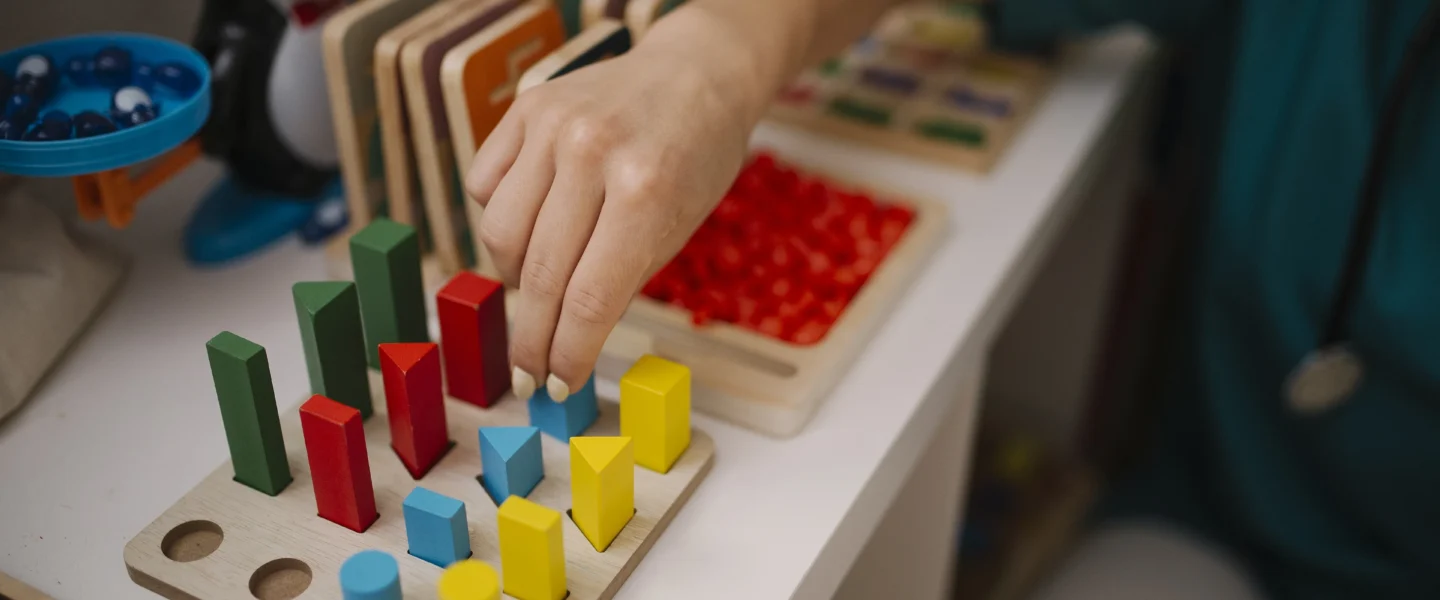
Wood can absorb water, swell or develop rough edges when soaked. For most wooden toys, use a slightly damp cloth with a little mild soap, wipe off residue with another clean damp cloth, and dry promptly. Avoid immersion and long wet soaks unless the maker specifically approves them. Check painted pieces for flaking and wooden pieces for splinters before giving them back. A toy that is cracked, splintering or shedding coating is a safety concern, not just a cleaning problem.
Plush animals, cloth books and fabric toys
Read the fabric care tag. Machine-washable plush toys can usually go in a laundry bag or pillowcase on the manufacturer’s recommended cycle, then be dried completely. For delicate or electronic plush toys, spot-clean only if directed. Do not return a damp stuffed toy to a closed storage box. The CDC recommends laundering washable soft items using the warmest water suitable for the material and drying them fully.
Electronic, musical and battery-powered toys
Turn the toy off and follow the maker’s cleaning instructions. Usually that means wiping accessible surfaces with a lightly dampened cloth rather than immersing the toy. Keep moisture away from speaker holes, battery compartments and charging ports. If a manufacturer allows a particular disinfecting wipe, follow the label’s contact time and any instructions about removing residue. Do not spray cleaning fluid directly into electronics.
Bath toys, squeeze toys and hollow figures
These deserve special attention because trapped water can support mold growth. After a bath, drain the toy as fully as possible and leave it in a well-ventilated place to dry. Hollow squeeze toys with tiny holes can be difficult to clean internally; a toy with visible mold inside or persistent musty odor may be better discarded. Cleveland Clinic’s pediatric guidance recommends choosing solid or fully cleanable bath toys when possible. See our newborn bath guide for the rest of the bathing routine.
When should baby toys be sanitized?
There is no single daily chemical-treatment rule for every toy in every household. The CDC advises sanitizing objects children mouth in group-care settings and notes that some household objects may need extra germ reduction. Consider the child’s age, whether the toy is shared, whether someone is ill, and any advice from a pediatrician for a premature or medically vulnerable baby.
If sanitizing is appropriate, first clean the toy. Then choose only a method compatible with its material and intended use. Some nonporous toys may tolerate a manufacturer-approved dishwasher sanitizing cycle, boiling or steaming; others require an appropriate labeled sanitizing product. Never improvise with concentrated bleach, mix cleaners together or use a product whose instructions do not cover the toy’s material. Keep all cleaning chemicals away from children, observe label contact times, and allow the toy to dry as directed before reuse.
For a baby who was born prematurely or has an immune condition, ask the healthcare team whether the family needs a stricter routine. The CDC’s daily-sanitizing guidance for certain high-risk infants specifically addresses feeding equipment; it should not be casually presented as a universal instruction to boil every toy.
A realistic cleaning schedule that parents can keep
- Right away: Clean a toy that has visible food, vomit, stool or other contamination, or has fallen onto a visibly dirty surface. Handle bodily-fluid contamination with extra care and use an appropriate disinfection method when indicated.
- After mouthing or sharing: Set aside mouthed toys for cleaning, especially when children from different households or a playgroup share them.
- After each bath: Empty and dry bath toys. Inspect hollow toys for trapped moisture.
- During a weekly reset: Inspect frequently used toys, wash appropriate hard toys, launder washable fabric toys and clean the storage basket.
- When someone is ill: Clean high-touch toys more often, keep personal mouthed toys separate and follow public-health or clinician advice for additional sanitizing or disinfection.
This is a practical household routine, not a medical schedule. A toddler who takes the same blocks outside daily will need different cleaning frequency from a baby whose toys stay on a clean play mat. Focus on exposure and actual dirt instead of treating every toy as contaminated after a few minutes of play.
What to do when toys are shared with siblings or visitors
Set out a small group of easy-to-clean toys for a playdate and keep the baby’s personal teethers separate. Have a clean basket and a ‘needs washing’ basket. If a toy has been mouthed, move it to the second basket rather than immediately handing it to another child. Wash hands before and after cleaning. If someone is sick, postpone sharing toys that are difficult to sanitize.
Older siblings’ craft supplies, marbles, magnetic sets and tiny building pieces should not be mixed into the baby’s toy box. The US Consumer Product Safety Commission (CPSC) warns that small parts can present choking hazards for children younger than three. Cleaning cannot make an age-inappropriate toy safe. Read our nursery babyproofing checklist for related household safety checks.
Five mistakes worth avoiding
- Soaking everything: Wood, electronics and hollow toys may be damaged or retain moisture.
- Using stronger chemicals than necessary: Cleaning with soap and water is often sufficient at home; extra chemical treatment should have a reason and follow instructions.
- Mixing cleaners: Never combine bleach with ammonia, acids or other products. Harmful fumes or reactions can result.
- Putting damp toys away: Trapped moisture encourages unwanted growth and makes the next cleaning harder.
- Ignoring wear: A broken plastic edge, exposed battery compartment, loose bead or peeling coating calls for removal or replacement, not just another wash.
A quick toy-safety check while you clean
Cleaning time is a convenient opportunity to look for loose eyes or buttons, damaged seams, splinters, cracked plastic and small detachable pieces. Follow the toy’s age label. Keep toys meant for older children separate from those used by babies and toddlers. Check battery compartments for secure covers and avoid any toy with accessible button batteries or loose magnets. If a product is recalled, stop using it and follow the recall instructions rather than trying to repair it yourself.
Also consider the place where toys are stored. A basket that stays damp after bath time can undo your careful cleaning. Choose washable containers, allow airflow and keep storage away from cleaning chemicals. For small homes, a simple rotation of a few toys is often easier to maintain than one overflowing box.
Frequently asked questions
Do I need a special baby-toy cleaning spray?
Not necessarily. For many washable toys, ordinary soap, safe water and thorough drying are enough for routine cleaning. Use a sanitizer or disinfectant only when appropriate for the item and situation, and follow the product label. Marketing words such as ‘baby-safe’ do not replace manufacturer instructions.
Can I put all silicone teethers in boiling water?
No. Some are heat-safe and others contain parts or fillings that are not. Check the specific teether’s instructions. If you cannot verify heat tolerance, choose the approved hand-washing method instead.
Is vinegar enough to disinfect baby toys?
Vinegar may remove some residue, but it should not be treated as a reliable substitute for a registered disinfectant or a validated sanitizing method. Use soap and water for routine cleaning and follow authoritative guidance when sanitizing is actually needed.
How can I tell if a bath toy has mold inside?
Watch for dark material coming out when squeezed, a persistent musty smell, or visible growth through a clear section. Because narrow interiors can be impossible to inspect or dry, replacing a suspect hollow toy is often the more practical choice. Avoid handing it back to a baby while uncertain.
Can I use disinfecting wipes on toys my baby mouths?
Only if the product label explicitly permits that use and you follow its directions, including any required rinse and drying steps. Many household surface wipes are not intended for objects placed in the mouth. When in doubt, wash the toy using its manufacturer-approved method.
Should I sanitize toys every day if my baby is healthy?
Not every toy needs daily chemical sanitizing. Clean items based on how they are used, how dirty they become and whether they are mouthed or shared. Extra precautions may be appropriate for infants at higher infection risk; ask your pediatrician for individual advice.
The bottom line
A manageable baby-toy cleaning routine begins with three questions: What material is this? How did it get dirty? Can it dry completely? Match the method to the toy, clean before sanitizing, keep mouthed toys separate when shared, and discard damaged or moldy items that cannot be cleaned reliably. A few minutes of thoughtful care is more useful than an elaborate routine nobody can sustain.
Sources and image credit
This article uses official public-health and product-safety guidance, supplemented by pediatric advice. It does not claim laboratory testing or evaluate specific brands. Sources: CDC: Cleaning and Disinfecting Early Care and Education Settings; CDC: When and How to Clean and Disinfect Your Home; CDC: Cleaning Infant Feeding Items; CPSC: Small Parts and Choking Hazards; Cleveland Clinic: Mold on Baby Toys. Featured photograph: Nenad Stojković / Wikimedia Commons, CC BY 2.0; cropped and resized for this article. Individual health and product instructions take precedence.