A practical diaper bag checklist should cover the next few hours, not every possible emergency. For a typical outing, pack diapers, wipes, a changing surface, a spare outfit, feeding supplies, a small bag for wet or dirty items, and one or two comfort items. Then adjust for your baby’s age, the length of the trip, weather, and how easily you can buy or borrow something at your destination.
Overpacking makes the bag heavy and harder to use. Underpacking usually becomes a problem when one ordinary mess uses the only spare. This checklist is built around the situations that actually repeat: diaper changes, feeding, spit-up, temperature changes, and keeping small essentials easy to reach.
Table of Contents
- What are the diaper bag essentials?
- How many diapers should you pack?
- What feeding supplies belong in a diaper bag?
- What should you pack for a newborn?
- What changes for a toddler?
- What do you need for a short trip?
- How should you organize the bag?
- What do parents commonly overpack?
What are the diaper bag essentials?
Start with seven jobs: changing, cleaning, clothing, feeding, comfort, weather, and carrying dirty items home. If an item does not solve one of those jobs on a normal outing, it probably does not need permanent space in the bag.
- Diapers: enough for the expected outing plus a small buffer.
- Baby wipes: a travel pack or a properly closed smaller supply.
- Portable changing mat: useful when a clean changing surface is not available.
- Spare clothes: at least one complete change for a baby.
- Wet/dirty-item bag: a reusable wet bag or a few disposable bags.
- Feeding supplies: whatever your baby actually uses away from home.
- Burp cloth or muslin: useful for spit-up, drips, and quick cleanups.
- Weather layer: a light layer, sun hat, or other season-appropriate item.
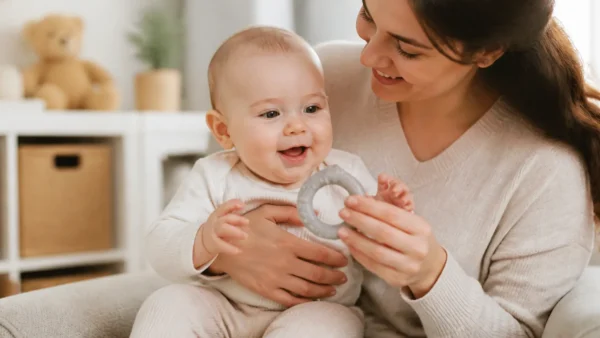
- Comfort item: one age-appropriate toy, teether, or pacifier if your baby uses one.
If you are still building your broader setup, our baby gear by age guide helps separate genuinely useful gear from items you may not need yet.
How many diapers should you pack?
There is no universal number because babies differ and outings vary. A simple approach is to estimate how many changes you normally make during the time you will be away and add a small buffer. For a quick errand, that may mean only a few diapers. A half-day outing needs more.
The useful habit is restocking after you get home rather than trying to remember before the next trip. Keep a minimum number in the bag and replace whatever you used. That turns packing from a last-minute checklist into a small maintenance routine.
Do the same with wipes. A huge full-size pack adds weight, while an almost-empty travel pack creates false confidence. Check the supply when you restock diapers.
What feeding supplies belong in a diaper bag?
Pack for the way your baby is currently fed, not for every feeding method. Breastfeeding parents may need nursing pads, a cover only if they personally prefer one, or pumping/storage supplies for longer separations. Bottle-feeding families need the bottles and feeding components required for the outing, handled according to their normal safe preparation and storage routine. For formula, follow CDC preparation and storage guidance, including the product instructions and safe storage times.
For babies eating solids, a bib, spoon if needed, and a small amount of age-appropriate food can be enough. Avoid carrying a miniature kitchen. If you are heading somewhere that already has food and utensils suitable for your child, pack less.
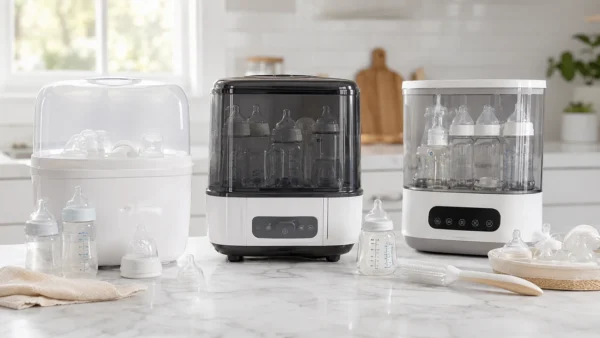
For bottle hygiene at home, see our guide to cleaning and sanitizing baby bottles. The diaper bag itself should stay simple enough that feeding equipment does not get buried under unrelated gear.
What should you pack in a diaper bag for a newborn?
Newborn outings tend to involve more feeding, spit-up, and clothing changes, so prioritize duplicates of the basics rather than entertainment. A newborn diaper bag can usually focus on diapers, wipes, a changing mat, two lightweight clothing options when practical, burp cloths, feeding supplies, and a safe way to separate soiled items.
Keep tiny essentials in one visible pouch rather than loose at the bottom. If you use a pacifier, carry it in a clean case. If you need medication or special feeding equipment prescribed for your baby, that becomes a personal essential and should have a consistent place in the bag.
What changes when the diaper bag is for a toddler?
Toddler bags often shift from feeding-heavy to snack-and-activity-heavy. You may still need diapers or training supplies, but you can usually reduce burp cloths and infant feeding gear. Add a simple snack, water bottle or cup appropriate for your child, and one compact activity for waiting.
Do not turn the bag into a toy chest. One small book, drawing item, or favorite toy is often easier to manage than five choices. Our screen-free toddler activities guide has ideas that do not require carrying much equipment.
What should you pack for a one- or two-hour trip?
For a short local outing, use a “minimum viable bag.” Pack enough for one ordinary delay and one messy surprise: a few diapers, wipes, changing mat, one spare outfit, feeding essentials if a feed is likely, and a bag for dirty items. Add a weather layer when needed.
This is also where location matters. A walk near home needs less redundancy than a long drive to a place with no shops. Pack according to how difficult it would be to solve a forgotten-item problem, not simply according to the clock.
How do you organize a diaper bag so you can find things quickly?
Organize by task rather than by item size. Put changing supplies together, feeding supplies together, and spare clothing together. That way, one problem requires opening one section rather than emptying the whole bag.
A useful layout is:
- Fast-access pocket: wipes, one diaper, pacifier case, tissues.
- Changing pouch: remaining diapers, mat, barrier cream if you use it, disposal bags.
- Clothing pouch: complete spare outfit and an extra layer.
- Feeding area: bottles, bib, snack, spoon, or pumping items as applicable.
- Parent pocket: keys, wallet, phone, and personal essentials.
Clear pouches are convenient, but labels or consistent colors work too. The system matters more than the organizer you buy.
What do parents commonly overpack?
The most common excess is duplication without a reason: too many outfits, full-size toiletries, several toys, large packages of wipes, and gear for situations that almost never happen. Heavy bags are inconvenient and can make the truly important items harder to reach.
Another mistake is keeping expired, outgrown, or seasonally wrong items in the bag. Babies change quickly. Review the bag every few weeks: check clothing size, replace used supplies, remove old snacks, and swap weather gear as seasons change.
What should stay out of a diaper bag?
Anything that can leak, spoil, overheat, or become unsafe when forgotten deserves extra thought. Do not leave perishable food, prepared feeds, medications with specific storage requirements, or wet clothing sitting in the bag indefinitely. Empty and reset the bag after messy outings.
Also avoid hanging a heavy diaper bag from a stroller handle unless the stroller manufacturer specifically permits it. Extra weight in the wrong place can affect stability. Store the bag in the stroller’s designated basket or carry it according to the product instructions.
A simple diaper bag checklist to save on your phone
- Diapers
- Wipes
- Changing mat
- Spare outfit
- Wet/dirty-item bag
- Burp cloth or muslin
- Current feeding supplies
- Weather-appropriate layer
- Pacifier/teether or one comfort item
- Parent essentials: phone, keys, wallet
Before a longer trip, add items because the trip requires them rather than because they appear on a generic baby checklist. If you are planning travel rather than a local outing, our stroller fit and safety guide can also help you think through how your gear will move together.
Bottom line
The best diaper bag is not the fullest one. Pack enough to handle the normal needs of the outing plus one reasonable surprise, organize supplies by task, and restock the bag when you return home. That keeps the bag lighter, makes essentials faster to find, and reduces the last-minute “did I forget something?” routine.