Quick answer: Teach your toddler to wash hands by doing it together at the sink: wet, add ordinary soap, rub every surface for at least 20 seconds, rinse, and dry with a clean towel. Help with the steps until your child can do them reliably. Focus on the moments that matter most—before eating, after the toilet or diaper changes, after outdoor play, and after coughing or sneezing. A short, cheerful routine is more useful than a long lecture.
October 15 is Global Handwashing Day, but this is a skill worth practicing every day. Toddlers learn by copying what adults do, and their small hands often miss thumbs, fingertips, and spaces between fingers. The aim is to build a repeatable habit without turning every trip to the bathroom into a battle.
Why handwashing matters for toddlers
Young children explore the world by touching floors, toys, pets, faces, and food. Germs can move from these surfaces to the mouth, nose, or eyes. Soap, water, and rubbing work together to lift dirt and germs so they can be rinsed away. The CDC’s handwashing guidance recommends scrubbing for at least 20 seconds, not simply holding hands under running water.
Good handwashing does not make a child immune to illness. It is one practical layer of prevention alongside vaccination, food hygiene, cleaning shared objects, and staying home when ill. Parents can teach the skill without frightening children about invisible germs. Try saying, “We wash before we eat so our hands are ready for food.”
The five-step toddler handwashing routine
1. Set up the sink before inviting your child
Use a stable, nonslip step stool if your child can stand safely and the sink is reachable. Stay close enough to prevent a fall. If the sink is too high, an adult can hold the child securely or use a safe alternative washing setup with clean water. Keep a clean towel within reach and make sure the tap is not set to scalding hot. Warm or cold clean running water both work for handwashing; soap and thorough rubbing matter more than heat.
2. Wet both hands and add ordinary soap
Help your toddler put both hands under clean running water, then apply a small amount of plain soap. Liquid soap may be easier for small hands to handle than a slippery bar, but either can work when used correctly. The American Academy of Pediatrics explains that families do not need special antibacterial soap for routine handwashing. If a scented product irritates your child’s skin, consider a mild, fragrance-free alternative.
3. Rub for at least 20 seconds
Show the motions slowly: palm to palm, backs of hands, between fingers, around thumbs, and fingertips against palms to reach the nail edges. Toddlers may copy only one motion at first. Gently guide their hands and repeat the missed areas. Count together, sing a familiar short song that lasts about 20 seconds, or use a simple visual timer. The important part is thorough rubbing, not a perfect performance.
For a child who dislikes being touched, demonstrate on your own hands first and invite them to copy one movement at a time. Some children prefer you to say “thumbs next” rather than physically moving their fingers. Offer support without forcing a long struggle; repeat the routine patiently at the next opportunity.
4. Rinse all the soap away
Help your child hold hands under clean running water and turn them so the soap rinses off both sides. Avoid splashing soapy water into the eyes. Turn the tap off after rinsing; adults can help if the handle is difficult to reach. Do not leave a toddler alone on a step stool while the water is running.
5. Dry with a clean towel
Pat hands dry, including between fingers. A clean towel or paper towel works; replace damp shared towels regularly. Drying is part of the routine, not an optional afterthought. Show your child where the towel belongs so the whole sequence has a clear ending. A simple phrase such as “wet, soap, scrub, rinse, dry” can help them remember the order.
When should toddlers wash their hands?
Instead of washing after every harmless touch, connect the habit to predictable daily events. According to the CDC’s early-childhood guidance and the NHS handwashing advice, especially useful times include:
- Before meals and snacks: Wash before touching food, utensils, or a cup.
- After toilet use or potty practice: Make washing part of the bathroom sequence, even when the child still needs help with clothing.
- After diaper changes: Wash the child’s hands and your own. The CDC’s home diaper-changing steps explicitly include both.
- After outdoor play: Especially when hands are dirty from sand, soil, playground equipment, or shared objects.
- After coughing, sneezing, or wiping a nose: Offer a tissue and then wash hands.
- After touching pets, pet food, or animal waste: Supervise children around animals and clean hands afterward.
- After handling rubbish or visibly dirty items: Soap and water are the right choice when dirt is present.
Coming home from daycare or a busy playdate can be another convenient routine cue. A family may choose additional handwashing moments when someone is ill, but there is no need to create an exhausting schedule that leaves a toddler’s skin sore.
What if your toddler refuses to wash?
Resistance is common because toddlers want control over their movements, the water, and the timing. Start by making the task predictable: “We wash hands, then we eat.” Offer two acceptable choices, such as which towel to use or whether to start with the left or right hand. Choices can give a child some control without making hygiene optional.
Model the routine next to them. A child may be more interested in copying a parent than following instructions from across the room. Keep soap and towel in the same places so there are fewer decisions. Praise a specific effort—“You remembered your thumbs”—instead of demanding a spotless result on the first attempt.
If the child is overwhelmed, simplify: wash together for one short sequence, then end calmly. Practice during low-pressure moments rather than introducing a new skill when everyone is hungry and late. Avoid turning handwashing into punishment. Consistency across caregivers usually matters more than elaborate charts or prizes.
How to make a 20-second wash engaging without wasting water
Try a small “hand dance”: palms, backs, between fingers, thumbs, and fingertips. Give each motion a silly name and repeat the same order. You can count slowly to 20 or sing a familiar tune, but make sure the actual scrubbing—not just the whole time at the sink—lasts about 20 seconds.
Turn the tap off while lathering if your setup allows, then turn it back on to rinse. Use just enough soap to cover the hands. A soap pump that releases a manageable amount can reduce mess, but no special gadget is required. If your toddler loves water play, explain that washing has a beginning and an end, and save water games for a separate supervised activity.
Handwashing for babies and younger toddlers
A baby cannot independently wash hands, so caregivers do the cleaning. Gently wash the baby’s hands with soap and clean water when appropriate, especially after diapering and before eating finger foods, then rinse and dry carefully. Keep soap away from eyes and mouth and support the baby’s body securely throughout. Avoid leaving a baby alone at a sink or in water.
As a child begins to stand and imitate, introduce the names of the steps without expecting independent hygiene. A toddler may be able to press a soap pump yet still need help scrubbing fingertips. Independence is gradual; supervision should match the child’s balance, coordination, and ability to follow instructions rather than a rigid age cutoff.
Soap and water versus hand sanitizer
Use soap and water whenever available, especially when hands are visibly dirty, greasy, or after using the toilet. Alcohol-based hand sanitizer can be useful when soap and water are unavailable, but it does not remove dirt or every kind of germ. The CDC recommends a sanitizer containing at least 60% alcohol for situations where it is appropriate, with adult supervision for children under six.
Put a suitable amount on the child’s hands according to the product label, help rub all surfaces, and let the product dry completely. Do not let children lick the gel, touch their eyes with wet sanitizer, or handle the bottle unsupervised. Store sanitizer high, out of sight and reach. The FDA warns that swallowing sanitizer can cause alcohol poisoning in children. If ingestion is suspected, promptly contact local emergency or poison-control services; do not wait for symptoms to appear.
Baby wipes can remove visible mess during an outing, but they are not a full substitute for proper soap-and-water handwashing when a sink becomes available. Pack wipes for convenience, not as the only hygiene plan for toilet visits or dirty hands.
Choosing a child-friendly sink setup
Start with what you already have: a stable place to stand, plain soap, clean water, and a towel. Check that the step stool does not slide and that your toddler cannot lean over an unsafe height. A faucet extender may help reach the stream, but it is optional; check any accessory for a secure fit and follow its instructions.
Keep soap where the adult can dispense it if the child tends to squeeze out too much. A reachable towel hook helps children finish the sequence. In shared bathrooms, clean high-touch surfaces as part of ordinary household hygiene. The goal is to make correct washing easier, not to buy a collection of accessories.
Daycare and preschool: keep the routine consistent
Ask caregivers what the handwashing routine looks like before meals, after bathroom visits, and after outdoor play. Use the same five words at home—wet, soap, scrub, rinse, dry—so the child hears a familiar sequence. Younger children need reminders and hands-on assistance; this is expected, not a sign that the habit has failed.
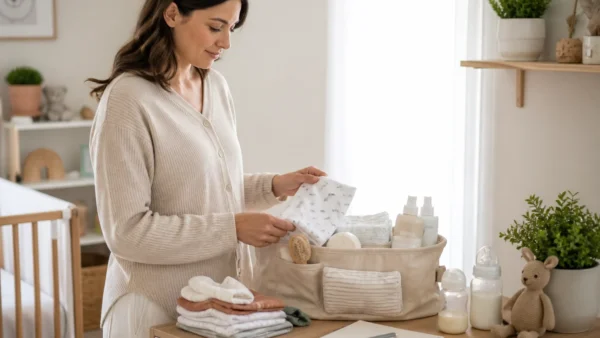
When preparing for daycare, a clean spare outfit and labeled towel may be useful if the center requests them. Our diaper bag checklist covers essentials for time away from home. For shared toys that end up in mouths or on dirty floors, see how to clean baby toys safely; washing hands and cleaning objects solve different parts of the same hygiene problem.
What about dry or sensitive skin?
Frequent washing can make some children’s hands dry, especially in cold weather or when harsh products are used. Choose a mild soap, rinse thoroughly, pat dry rather than rubbing hard, and consider an age-appropriate fragrance-free moisturizer after washing if skin becomes dry. Do not skip essential hygiene moments because of mild dryness; adjust the products and technique instead.
If the skin cracks, bleeds, develops a persistent rash, or seems painful, consult your child’s healthcare professional. Irritation can have several causes, and a clinician can advise on a suitable skin-care plan. Do not apply disinfectant sprays or household cleaning chemicals to a child’s hands.
Frequently asked questions
Does a toddler really need to scrub for 20 seconds?
The CDC recommends at least 20 seconds of rubbing with soap. Toddlers may need an adult to guide the motions and keep time. Aim for the complete routine rather than an exact song lyric or fancy timer.
Is antibacterial soap better than plain soap?
Ordinary soap and clean water are suitable for routine family handwashing. The AAP’s parent-focused advice emphasizes good technique rather than specialty antibacterial products.
Should hands be washed with hot water?
No. Clean running water can be warm or cold. Use a comfortable temperature that avoids scalding, especially when a young child can reach the tap.
Can my child wash hands alone once they know the steps?
Not necessarily. A child who can recite the steps may still miss nails and thumbs or be unsafe on a stool. Stay nearby and provide help until washing and sink safety are both reliable.
What if there is no sink on a trip?
For a brief period when soap and water are unavailable, an adult may use appropriately labeled hand sanitizer with close supervision if the child’s hands are not visibly dirty. Prioritize a proper wash at the next available sink. Carry a small clean towel or paper towels when access to drying supplies is uncertain.
Do parents need to wash after changing a diaper even when they used wipes?
Yes. Wipes and gloves do not replace cleaning hands. The CDC’s home diapering guidance includes washing both the child’s hands and the caregiver’s hands after the change.
A simple routine to try tonight
Before the next snack, stand beside your child and demonstrate the whole sequence once. Let them choose a towel. Help them wet, lather, scrub for 20 seconds, rinse, and dry. Repeat the same words after tomorrow’s bathroom visit. That small, consistent practice is how an unfamiliar task becomes an ordinary family habit.
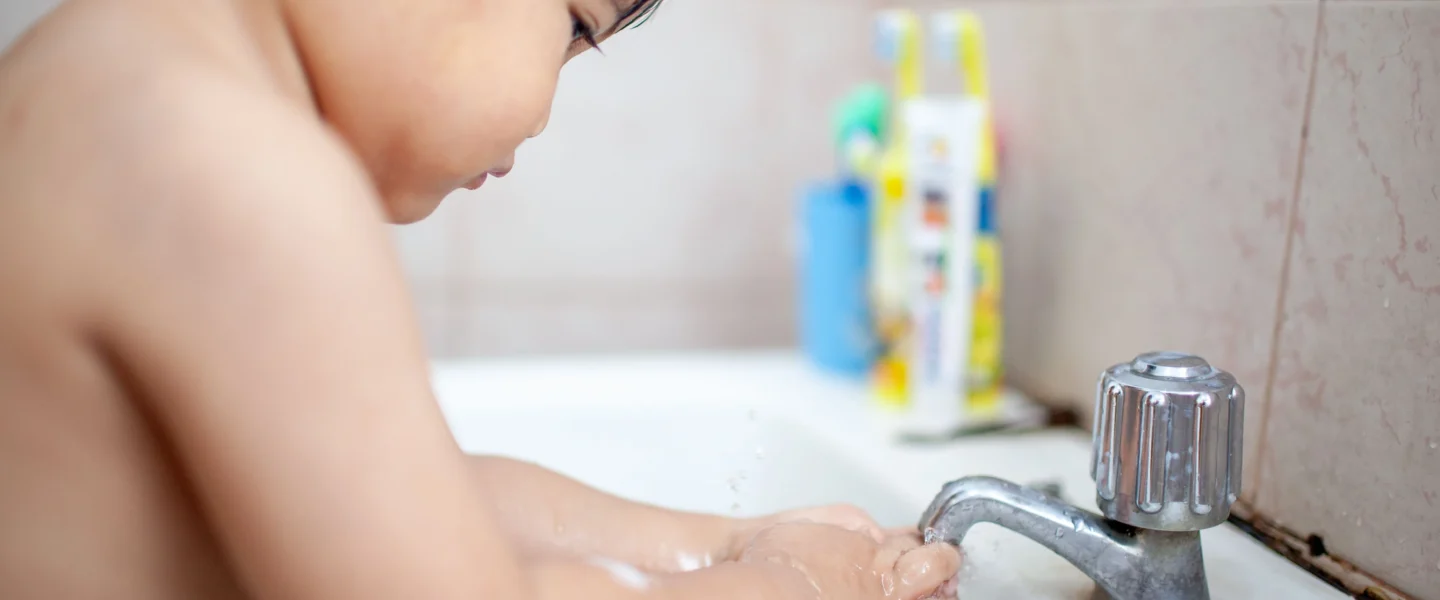
Image credit: Paul Zilvanus Lonan / Pexels; used under the Pexels License.
Sources and editorial note
- CDC — About Handwashing (five steps, 20 seconds, key times).
- CDC — Hand Hygiene in Schools and Early Care Settings (children’s routines and sanitizer supervision).
- CDC — Diaper Changing at Home (washing caregiver and child’s hands).
- NHS — How to Wash Your Hands.
- American Academy of Pediatrics — Hand Washing.
- FDA — Safely Using Hand Sanitizer.
This article is educational parenting guidance, not a substitute for individualized medical advice. No products were tested or independently reviewed for this article.