
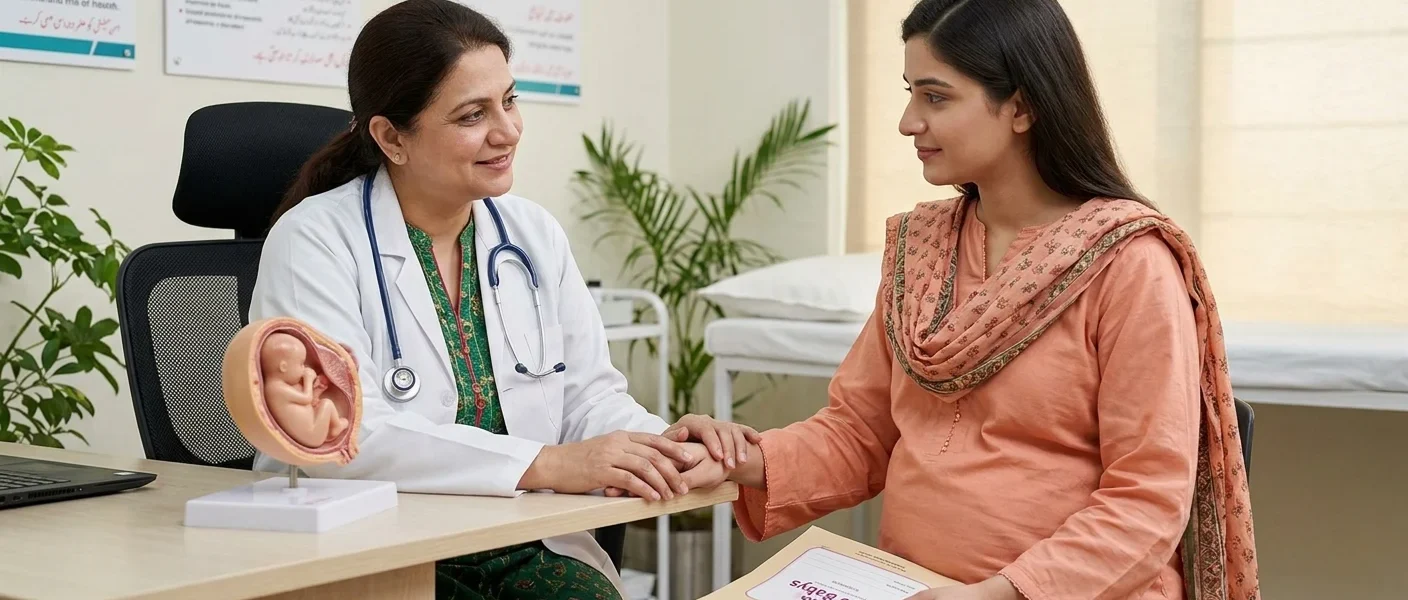
Congratulations, Mama! Finding out you are expecting is one of the most emotional and life changing moments in a woman’s life. In our vibrant culture, a pregnancy is not just the journey of a woman; it is the celebration of an entire family. However, navigating pregnancy Pakistan style comes with its own unique set of joys and challenges, from managing the intense summer heat to choosing the right Desi superfoods that actually benefit you and your baby.
This guide is designed to be your digital “Bari Behan” (elder sister). Whether you are worried about your first ultrasound, struggling with morning sickness, or wondering if you can still have your morning chai, we have you covered. We have combined modern medical advice with local cultural wisdom to ensure you and your little “Jigar ka Tukra” stay healthy and happy.
Table of Contents
- The Three Trimesters of Pregnancy
- Prenatal Care and Doctor Visits in Pakistan
- The Pakistani Pregnancy Diet: Nutrition Essentials
- Lifestyle and Wellness for Local Moms
- Managing Common Symptoms Culture-Wise
- Warning Signs You Should Never Ignore
- Hospital Bag and Birth Planning
- Frequently Asked Questions
- Final Thoughts for Expecting Mothers
The Three Trimesters of Your Pregnancy Journey
A typical pregnancy lasts about 40 weeks. In Pakistan, we often track this in months, but doctors prefer weeks for accuracy. Each stage brings new milestones for your baby’s growth.
The First Trimester (Weeks 1 to 12) This is often a quiet time where many Pakistani families keep the news private. Your baby’s heart and organs are forming. You might feel “Nausea” (morning sickness), which is very common. During this phase of pregnancy Pakistan, ensure you take Folic Acid daily to prevent birth defects. Focus on eating light, dry snacks like biscuits if you feel sick in the morning.
The Second Trimester (Weeks 13 to 26) This is the “honeymoon phase.” You will feel more energetic, and your appetite will return. This is when your bump starts to show, and you might start looking for comfortable Maternity Shalwar Kameez. You will also feel the first kicks, often described as “butterflies” in your stomach.
The Third Trimester (Weeks 27 to 40) The home stretch can be tiring. Your baby is growing fast, putting pressure on your back and bladder. This is the time to start preparing your home and mind for the arrival. Many families perform a Godh Bharai or baby shower during these months to celebrate the upcoming addition to the family.
Prenatal Care and Doctor Visits for Pregnancy Pakistan
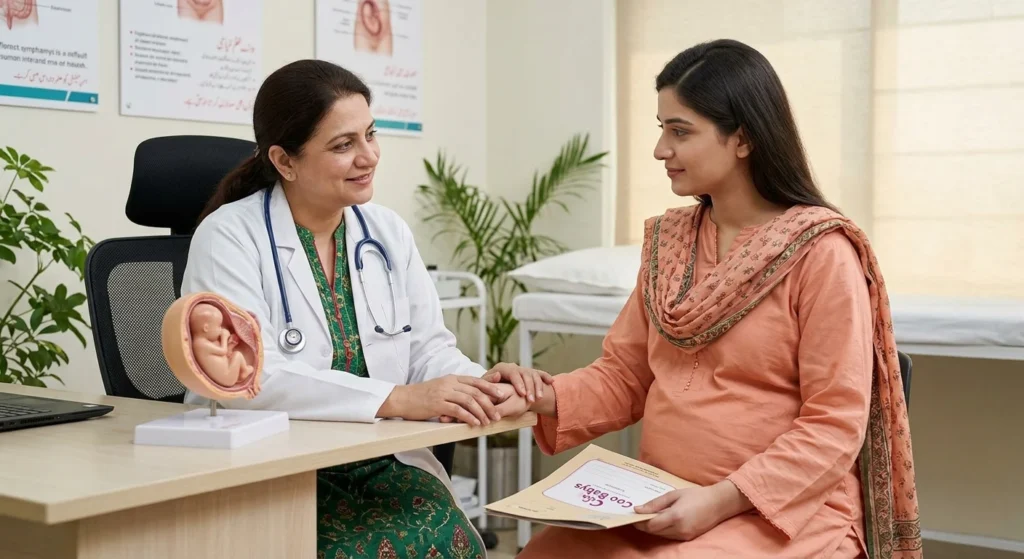
Finding a doctor you trust is the foundation of a healthy pregnancy Pakistan. Whether you choose a private consultant or a community health center, regular check-ups are non-negotiable.
The WHO maternal care recommendations suggest at least eight contacts with healthcare providers. In Pakistan, your doctor will monitor your blood pressure and sugar levels at every visit. This is crucial because South Asian women are at a higher risk for Gestational Diabetes and Pre-eclampsia.
Essential Tests You Will Need
- Ultrasounds: Usually at 8 weeks (dating), 20 weeks (anomaly), and 32 to 36 weeks (growth).
- Blood Tests: To check for Anemia (low iron), which is very common in Pakistan.
- Tetanus Vaccination: Essential to protect both you and the baby during birth.
The Pakistani Pregnancy Diet: Nutrition Essentials
While your elders might insist you “eat for two,” modern science says you only need about 300 to 500 extra calories a day. In the context of pregnancy Pakistan, it is more about the quality of the food than the quantity.
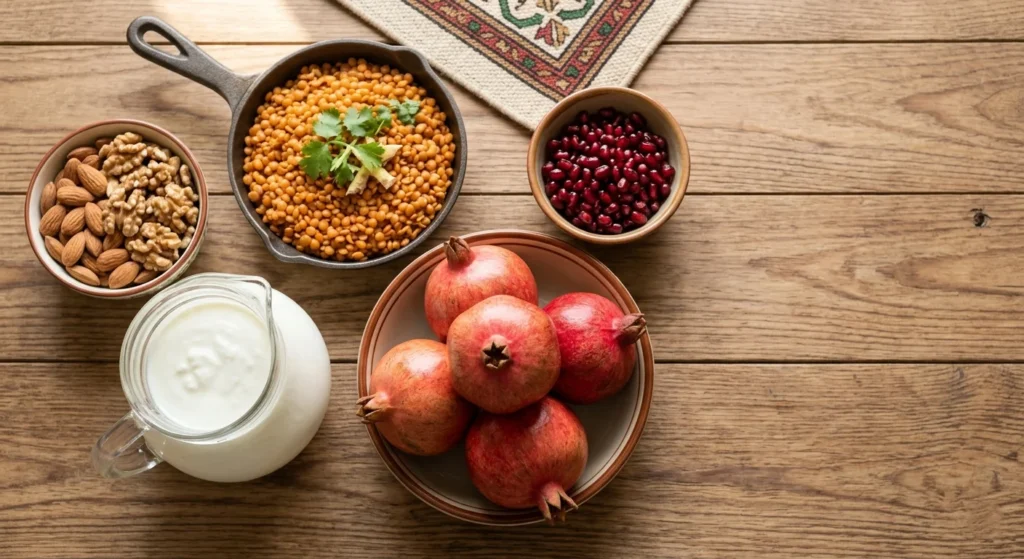
Combating Anemia with Local Foods According to the UNICEF Pakistan maternal nutrition strategy, iron deficiency is a major concern. To stay strong, incorporate these into your daily dastarkhwan:
- Red Meat: Mutton or beef (ensure it is well-cooked).
- Lentils: Daal makhani or Masoor daal are excellent sources of protein and iron.
- Pomegranates: A favorite seasonal fruit that helps boost hemoglobin.
- Green Leafy Veggies: Palak (spinach) or Sarson (mustard greens).
Lifestyle and Wellness for Local Moms
Our environment can be challenging. The dust and heat in cities like Lahore or Faisalabad mean you need to be extra careful with your lifestyle choices.
Hydration: Drink 10 to 12 glasses of water. Avoid sugary sodas; instead, opt for Coconut water or fresh Lassi (without excessive sugar). Staying hydrated reduces the risk of urinary tract infections (UTIs), which are common during pregnancy.
Movement: Unless your doctor has prescribed bed rest, keep walking. A gentle walk in the evening when the temperature drops is excellent for your circulation and mood. Avoid heavy lifting or pushing furniture, save that for the rest of the family!
Managing Common Symptoms Culture-Wise
Many Pakistani women face specific challenges due to our spicy diet and social structure:
- Heartburn: Spicy salans can trigger this. Try drinking cold milk or eating small meals frequently rather than one big dinner.
- Swollen Feet: Heat makes this worse. Elevate your feet on a pillow while sleeping and reduce salt in your Handi.
- Lower Back Pain: Use a pregnancy pillow or a firm mattress. Wear flat, comfortable shoes instead of heels.
Warning Signs You Should Never Ignore
While most pregnancies go smoothly, you must be aware of “Red Flags.” Contact your hospital immediately if you experience:
- Vaginal bleeding or spotting.
- Sudden, severe swelling of your face or hands.
- A pounding headache that does not go away.
- Blurred vision or seeing spots.
- The baby moving less than 10 times in 2 hours (after 28 weeks).
Hospital Bag and Birth Planning
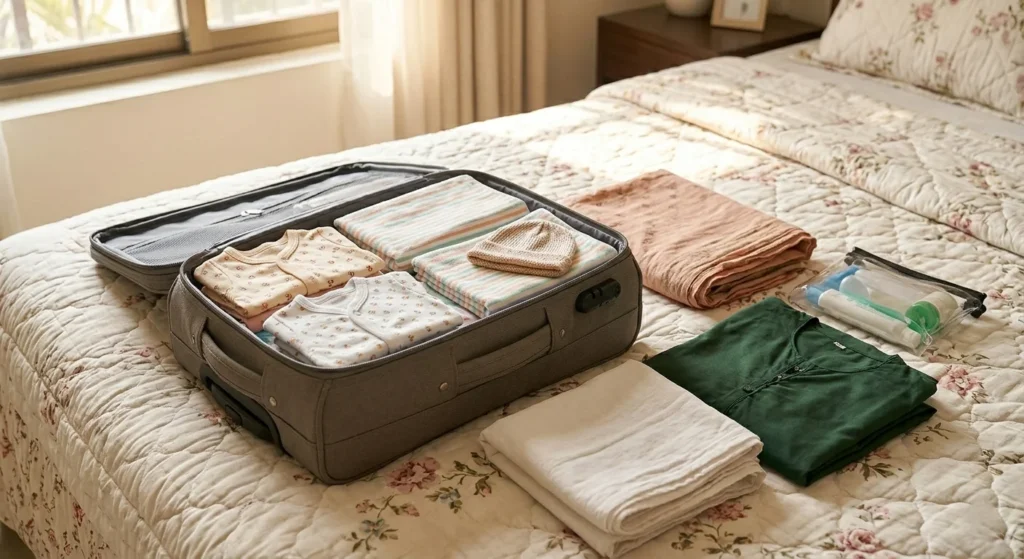
As you enter your ninth month, your hospital bag should be ready by the door. Pakistani hospitals often require you to bring your own basics.
For Mama:
- 3 sets of loose Shalwar Kameez (preferably with front buttons).
- Maternity pads and comfortable underwear.
- A light Chador or shawl.
- Toiletries (soap, toothbrush, comb).
For Baby:
- 3 to 4 soft cotton jhablas or suits.
- Newborn diapers and wet wipes.
- A soft cotton wrapping sheet and a warmer blanket.
- A small cap and socks.
Frequently Asked Questions for Pregnancy Pakistan
Can I drink tea (chai) during pregnancy? Yes, you can, but limit it to 1 to 2 cups. Too much caffeine can cause low birth weight, and drinking tea with meals can stop your body from absorbing iron.
Is it safe to use a rickshaw? Rickshaws can be very bumpy. Try to avoid them in the first three months. If you have to use one, sit in the middle and ask the driver to avoid potholes.
Should I eat saffron (zafran) for a fair baby? This is a common myth. Your baby’s skin color is decided by genes from the parents. Saffron is good for your mood, but it won’t change your baby’s complexion.
When should I start baby shopping? In our culture, many people wait until the 7th or 8th month. It is a good idea to have your basics ready by week 36 so you are not stressed if the baby comes early.
Does drinking ghee help in a normal delivery? No. Drinking ghee does not “grease” the birth canal. It only adds fat. To help with a normal delivery, focus on walking and squatting exercises if your doctor allows.
Conclusion
Navigating pregnancy Pakistan is a beautiful, transformative journey. By prioritizing your health, following professional medical advice, and balancing it with our rich cultural traditions, you are setting the stage for a healthy start for your little one. Remember, you are stronger than you think, and your body was made for this incredible task.
Was this guide helpful? We want to hear from you! What is your favorite pregnancy craving? Tell us in the comments below! Share this guide with an expecting friend and subscribe to our newsletter for more Pakistani parenting tips.

Written by
Humaira
A passionate contributor to Coo Coo Babys, dedicated to supporting Pakistani mamas through every stage of motherhood.