
The Road to a Quiet Night
- The Science of Infant Sleep Cycles
- Challenges: Noise, Heat, and Joint Families
- Method 1: The Chair Method (Gradual Withdrawal)
- Method 2: Ferberizing (Check-and-Console)
- Method 3: The Pick-Up-Put-Down Method
- The Perfect Pakistani Bedtime Routine
- Safe Sleep Guidelines in Pakistan
Baby sleep training methods are often a taboo topic in our culture. We are told that “babies don’t sleep,” or that we should just wait until they grow out of it. But for a mama managing a household, a job, or multiple children, chronic sleep deprivation is a health risk. This guide to baby sleep training methods is designed to show you that you can teach your baby to sleep independently while still being a responsive, loving mother.
In Pakistan, our homes are rarely quiet. Between the late-night tea sessions, the call to prayer, and the hum of the generator, the environment is vastly different from Western nurseries. However, baby sleep training methods are universal in their biological foundation. By understanding how your baby’s brain works, you can adapt these baby sleep training methods to fit your specific family dynamic.

The Science of Infant Sleep Cycles
To understand baby sleep training methods, you must first understand sleep cycles. Unlike adults, who have 90-minute cycles, babies have 40-50 minute cycles. When they “wake up” in the middle of the night, they are actually just transitioning between cycles. Baby sleep training methods don’t teach a baby *not* to wake up; they teach a baby how to fall back asleep without needing a bottle, a rock, or a “lori” from you.
Challenges: Noise, Heat, and Joint Families
Before choosing baby sleep training methods, we have to acknowledge the “Desi” reality.
- The Noise Factor: Our homes are loud. Baby sleep training methods in Pakistan often require a white noise machine to drown out the street noise or the TV in the next room.
- The Joint Family: If you are using baby sleep training methods that involve a little crying, your mother-in-law might think you are being “zaalim” (cruel). Communication with the family is the first step of any baby sleep training method.
- The Environment: During summers, ensuring the room is a cool 24°C-26°C is vital. A sweaty baby will never sleep through the night, regardless of the baby sleep training methods you use.
Method 1: The Chair Method (Gradual Withdrawal)
This is one of the gentlest baby sleep training methods. You sit in a chair next to the crib until the baby falls asleep. Every few nights, you move the chair further away until you are out of the room. This works well for Pakistani mamas who feel anxious about leaving their baby alone.
Method 2: Ferberizing (Check-and-Console)
Perhaps the most famous of all baby sleep training methods, the Ferber method involves putting the baby down awake and checking on them at timed intervals (5, 10, 15 minutes). You comfort them without picking them up. This baby sleep training method is highly effective but requires a “strong heart” and a supportive partner.
Method 3: The Pick-Up-Put-Down Method
For younger babies (around 4-6 months), this is one of the preferred baby sleep training methods. If the baby cries, you pick them up to soothe them, but the moment they are calm, you put them back in the crib. You repeat this until they fall asleep. It is labor-intensive but builds trust during the baby sleep training methods process.
The Perfect Pakistani Bedtime Routine
No baby sleep training methods will work without a solid routine. In Pakistan, we tend to stay up late, but for a baby, a 7:00 PM or 8:00 PM bedtime is ideal.
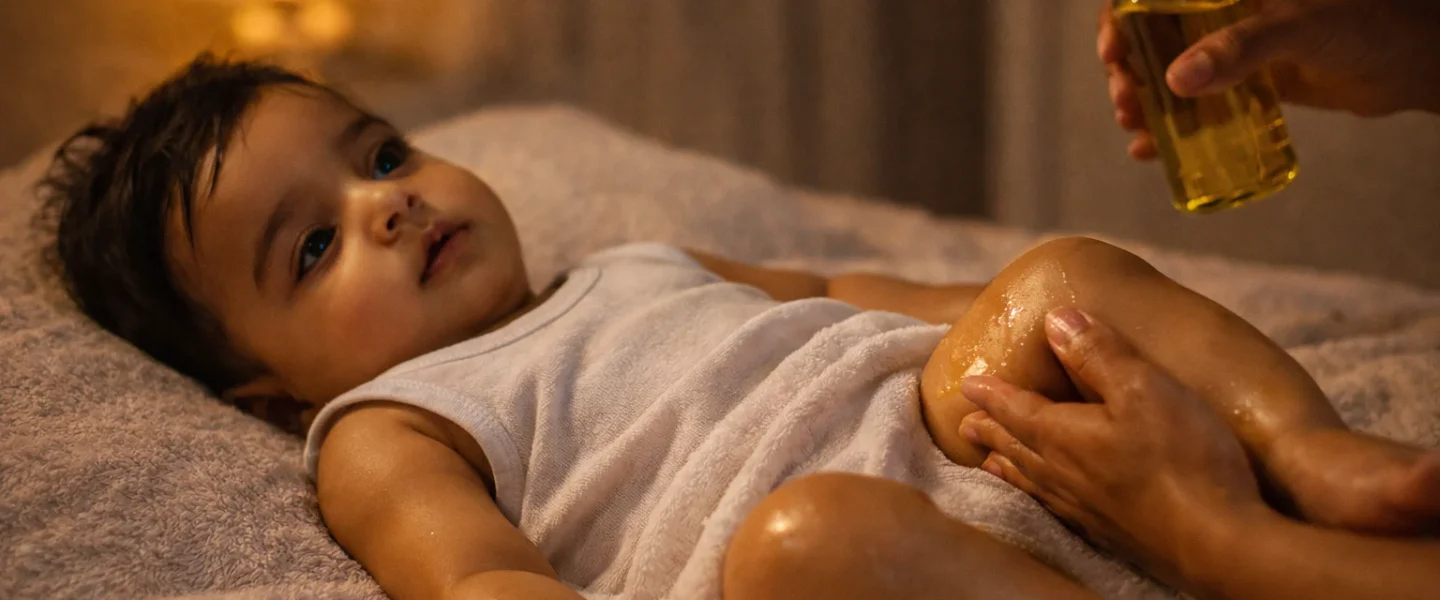
- Malish (Massage): Use a gentle oil to calm the nervous system.
- Warm Bath: To lower the body temperature for sleep.
- Dim Lights: Signal to the brain that it’s time for melatonin production.
- Final Feed: Ensure they are full, but don’t let them fall asleep on the breast or bottle.
Safe Sleep Guidelines in Pakistan
Regardless of which baby sleep training methods you choose, safety is paramount. The American Academy of Pediatrics (AAP) and the Lullaby Trust emphasize:
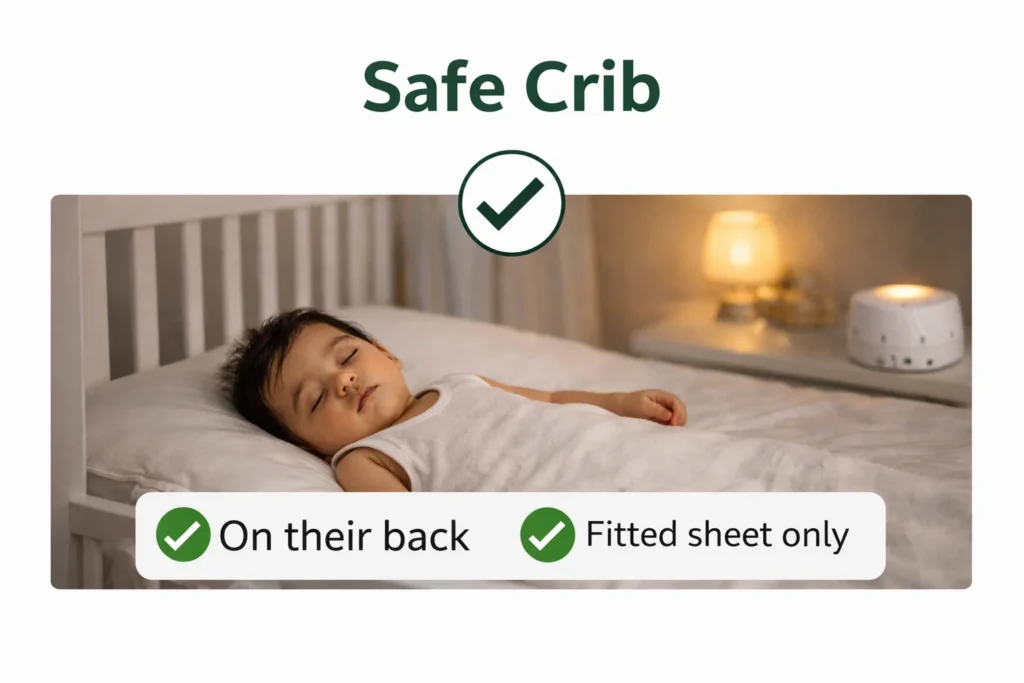
- Back is Best: Always place your baby on their back.
- Clear Crib: No pillows, heavy “razais,” or stuffed toys. This is hard in Pakistan where we love big bedding, but it’s essential for SIDS prevention.
- Room Sharing: Most baby sleep training methods suggest room-sharing (not bed-sharing) for the first six months.
For more on physical safety and growth milestones, check out our baby milestone guide.
Mama, baby sleep training methods are a gift to your child. Sleep is when their brain develops and their body grows. By teaching them to sleep, you are giving them a skill for life. For the right gear to help your baby sleep better, see our reviews on the best baby products in Pakistan.
What’s your biggest struggle with baby sleep? Let’s talk in the comments!

Written by
Humaira
A passionate contributor to Coo Coo Babys, dedicated to supporting Pakistani mamas through every stage of motherhood.