Baby Skincare in Pakistan: The Ultimate Guide for Every Season
In This Article
- Understanding Your Newborn’s Delicate Skin
- Beating the Heat: Baby Skincare for Pakistani Summers
- Monsoon Magic: Managing Humidity and Rashes
- Winter Essentials: Fighting Dryness and Smog
- Establishing a Newborn Skin Care Routine
- Choosing the Best Baby Lotion in Pakistan
- Traditional Totkay vs. Modern Science
Congratulations, mama! Bringing your little one home is the most beautiful feeling, but I know those first few weeks come with a lot of “Am I doing this right?” moments. In our part of the world, Baby skincare isn’t just about picking a nice-smelling bottle from the shelf. From the scorching June heat in Multan to the dry, chilly winters of Islamabad, our climate tests a baby’s skin every single day. You want your baby’s skin to stay soft and healthy while navigating the advice of your dadi, your nani, and that helpful WhatsApp group of neighborhood mamas.

Understanding Your Newborn’s Delicate Skin
Did you know a baby’s skin is 30% thinner than ours? In Pakistan, our environment is often filled with dust and pollutants, especially if you live near busy areas in Lahore or Karachi. This makes your bachi or bacha more prone to irritation. Their skin loses moisture much faster than ours does, which is why a consistent Baby skincare approach is vital from day one.
In those early days at the maternity home or hospital, you might notice some peeling. This is completely normal! Whether you delivered at AKUH or a local DHQ, the pediatricians will tell you that the “vernix” (that white waxy coating) is nature’s best moisturizer. Don’t rush to scrub it off during the first bath. Let it absorb naturally to give them a healthy start.
Mama Tip: Avoid using heavy scented powders right away. While we love the “baby smell,” those fine particles can irritate small lungs, especially during allergy season in cities like Rawalpindi.
Beating the Heat: Baby Skincare for Pakistani Summers
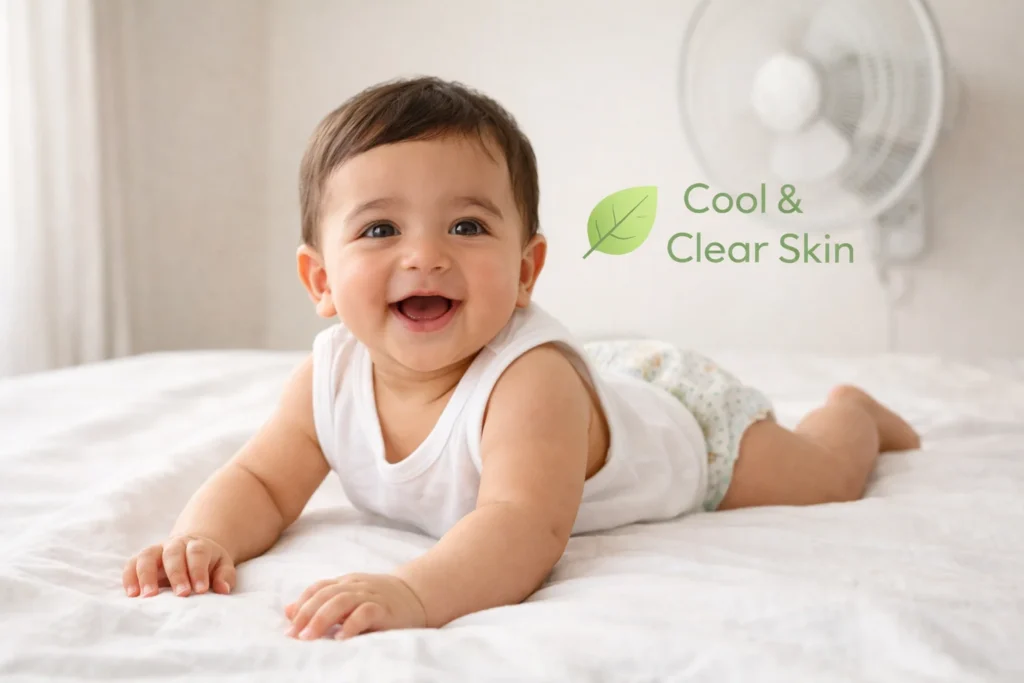
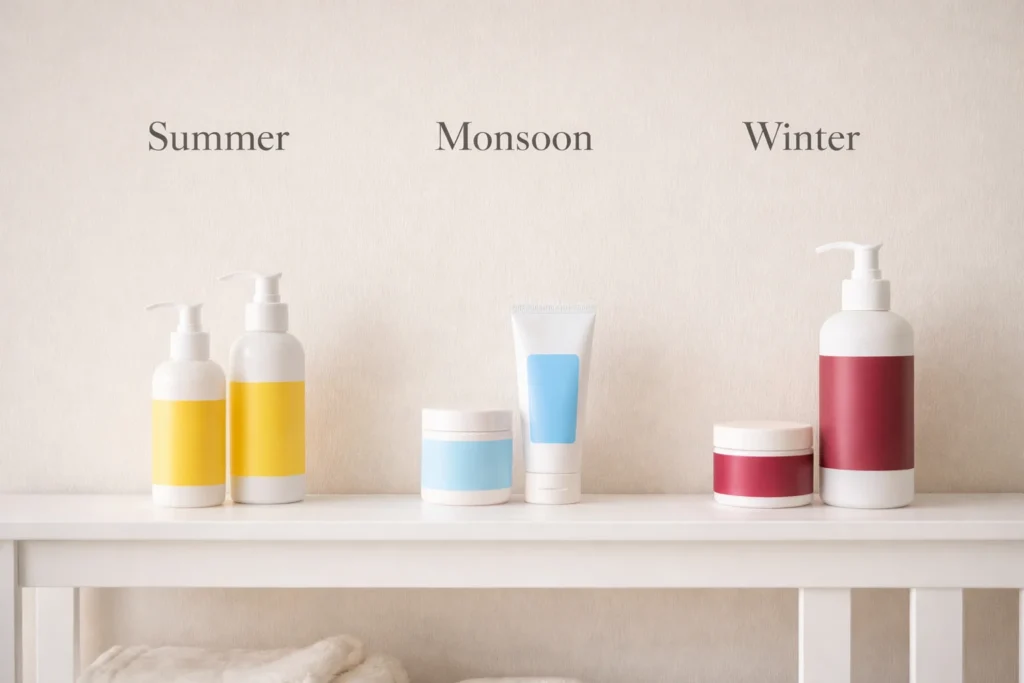
Summer in Pakistan is no joke. With temperatures hitting 45 degrees and frequent load shedding making fans and ACs unreliable, your baby’s skin can suffer. The biggest enemy here is the heat rash. To provide the best baby heat rash treatment, you need to keep the skin cool and dry. Forget the heavy malish during the peak afternoon heat; it only clogs the pores.
Stick to light, breathable cotton clothes. If you are heading out to the bazaar or visiting family, dress the baby in “malmal” or soft lawn. During power outages, keep a hand fan nearby and use cool water wipes to dab the neck and underarms. This prevents sweat from sitting on the skin and causing those red, itchy bumps we all dread.
Hydration is also part of skin health. If you are breastfeeding, your milk is mostly water and provides all the hydration they need. For older babies, sattu or a little extra water can help keep their system cool, which shows on their skin. Check out our guide on breastfeeding tips for Pakistani summers to keep your supply up while staying hydrated yourself.
Quick Relief for Heat Rash
- Give short, lukewarm baths twice a day during June and July.
- Use a fragrance-free baby soap that doesn’t strip away natural oils.
- Avoid tight diapers; let the skin breathe for at least 20 minutes after a change.
- Apply a thin layer of calamine lotion if the rash looks very angry.
Monsoon Magic: Managing Humidity and Rashes
When the rains finally hit Lahore or Peshawar, the humidity levels skyrocket. This is “chip-chipa” weather at its peak. This is the prime time for fungal infections and diaper rashes. Monsoon skincare for kids requires a shift from heavy creams to light, anti-fungal barriers. The moisture in the air traps bacteria against the skin, especially in the folds of the thighs and neck.
Always dry your baby thoroughly after a bath before putting on clothes. Use a soft towel and pat, don’t rub. If the skin stays damp, you’ll find yourself dealing with infant eczema flare-ups or stubborn rashes. This is where a good quality diaper rash cream becomes your best friend. Look for one containing zinc oxide to create a waterproof barrier.
During the monsoon, mosquitoes are everywhere. While we want to protect their skin, be careful with strong repellents. Stick to mosquito nets (macchar-dani) and patches that stick to clothing rather than direct skin application for newborns. Protecting their sleep is just as important as protecting their skin; learn more in our baby sleep safety guide.
Winter Essentials: Fighting Dryness and Smog
Winter in Pakistan, especially in the north, brings a beautiful chill but also very dry air. In the Punjab region, the “smog” adds another layer of worry. The air is full of irritants that can make Baby skincare a challenge. You will notice your baby’s cheeks getting red and chapped after a morning walk or a trip to the doctor.
This is the season for “Malish.” Using warm olive oil or mustard oil is a tradition for a reason. It improves circulation and locks in moisture. However, if your baby has sensitive skin, mustard oil might be too strong. Many moms now prefer the Sebamed baby range or Sebamed products because they are pH balanced and specifically designed for sensitive skin.
Don’t forget the face! Use a gentle barrier cream on the cheeks before going out. The cold wind can cause “windburn,” which looks like a nasty rash but is actually just extreme dryness. Keep the nursery humidified if you’re using a heater, as gas heaters can dry out the air (and the skin) very quickly.
Establishing a Baby Skincare Routine
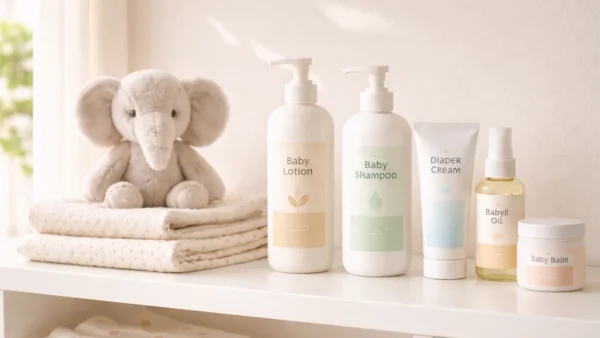
Setting up a newborn skin care routine doesn’t have to be complicated. In Pakistan, we tend to overcomplicate things because everyone has an opinion! Keep it simple: Cleanse, Moisturize, and Protect. You don’t need 10 different products. A gentle wash, a good lotion, and a diaper cream are usually enough.
Bath time should be a bonding experience. Use lukewarm water test it with your elbow, not your hand, to make sure it’s just right. If you’re in a city with hard water, you might notice the skin feels a bit tight after a bath. This is when you should apply moisturizer immediately while the skin is still slightly damp to lock that water in.
| Step | Action | Product Type |
|---|---|---|
| 1. Cleanse | Quick lukewarm bath | Fragrance-free baby soap |
| 2. Hydrate | Apply while skin is damp | Hypoallergenic lotion |
| 3. Barrier | Apply to diaper area | Zinc-based diaper rash cream |
Choosing the Best Lotion for Baby Skincare
Walking into a pharmacy or browsing Daraz can be overwhelming. There are so many brands! When looking for the best baby lotion in Pakistan, look past the pretty packaging. Check the ingredients. You want to avoid parabens, phthalates, and heavy perfumes. Brands like Mustela Pakistan are excellent for babies with very dry or eczema-prone skin.
If you prefer a more natural route, organic baby products Pakistan has to offer are growing in popularity. Look for local brands that use coconut oil or shea butter. Always do a patch test first. Apply a tiny bit on the baby’s leg and wait 24 hours to make sure there is no reaction. This is a tip often shared by Instacare experts to avoid full-body allergic reactions.
For more serious skin issues, don’t just rely on shopkeeper advice. Consulting a specialist like Dr Khilji ensures you aren’t using steroid creams unnecessarily, which can thin a baby’s skin over time. Keep your baby’s health records updated so you can track any recurring skin issues alongside their growth.

Traditional Totkay vs. Modern Science For Baby Skincare
We grew up with totkay. Using besan (gram flour) instead of soap or rubbing malai (cream) on dry patches is part of our culture. While some of these are great, others can be harmful. For example, using “upton” on a newborn can be too abrasive. Their skin is much more delicate than ours, and what worked for us might cause a rash for them.
Instead of using harsh homemade scrubs, stick to simple oils. Coconut oil is fantastic for cradle cap (those crusty yellow flakes on the head). Just massage a little bit in, let it sit, and gently brush it away. It’s natural, safe, and very effective for Baby skincare without the need for chemicals.
When it comes to diet, what you eat while breastfeeding can also impact the baby. If you’re having a lot of spicy salan or greasy parathas, it might occasionally affect the baby’s digestion and indirectly their skin. Sticking to a balanced diet with khichri, daal, and plenty of water is good for both of you.
Mama, you’re doing an amazing job. Skin issues can be stressful, but most of the time, they just need a little patience and the right routine. Remember, every baby is different. What works for your neighbor’s bacha might not work for yours, and that’s okay! If you found this guide helpful, please share it in your mama WhatsApp groups, let’s help each other out.
Do you have a favorite local product or a winter skincare secret? Drop a comment below and let’s chat. I’d love to hear your experiences!

Written by
Javeria
A passionate contributor to Coo Coo Babys, dedicated to supporting Pakistani mamas through every stage of motherhood.